Starting with organic farming practices might seem a bit tricky at first. You might wonder if it’s too hard to learn or if it’s only for experts. But don’t worry, it’s actually quite simple to get started.
We’ll walk you through it step by step. Get ready to learn how to grow food the natural way and discover what makes organic farming practices so special.
Key Takeaways
- You will learn the basic principles of organic farming and why they matter.
- Discover effective methods for soil health, like composting and cover cropping.
- Understand natural pest and disease management techniques without chemicals.
- Learn about the importance of biodiversity and water conservation in organic systems.
- Find out how to get started with your own organic farming project.
What Are Organic Farming Practices
Understanding the Core Principles of Organic Farming
Organic farming is a way of growing food that focuses on working with nature, not against it. The main idea is to keep the soil healthy and alive. This means avoiding synthetic pesticides, fertilizers, and genetically modified organisms (GMOs).
Instead, it uses natural methods to build soil fertility and manage pests. This approach aims to protect the environment, conserve resources, and produce healthy food for people.
Soil Health and Fertility
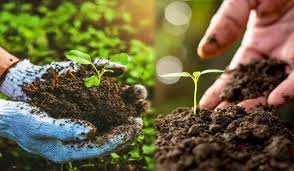
Healthy soil is the foundation of organic farming. It’s like the pantry for your plants, providing them with all the food and water they need to grow strong and healthy. Organic farmers work hard to keep their soil rich and full of life.
They do this by adding things like compost and manure, which are natural materials that break down and feed the soil. They also grow plants like clover or rye during off-seasons to protect the soil and add nutrients back.
- Composting: Turning kitchen scraps and yard waste into a rich soil amendment.
Composting is a fantastic way to recycle organic waste and create a valuable resource for your garden or farm. It involves gathering materials like fruit and vegetable peels, coffee grounds, eggshells, and yard trimmings. These materials are then piled up and allowed to decompose over time.
This process is helped by beneficial microbes and insects. The result is a dark, crumbly material that is packed with nutrients. When added to soil, compost improves its structure, water retention, and ability to provide food for plants.
It’s like giving your soil a superfood boost.
- Cover Cropping: Planting specific crops to protect and improve soil between main crops.
Cover crops are special plants that are grown not for harvest, but to benefit the soil. They are typically planted after a cash crop has been removed or before the next one is planted. These crops act like a protective blanket for the soil.
They prevent erosion from wind and rain, help to suppress weeds, and can even fix nitrogen from the air into the soil, making it available for future plants. Examples include legumes like clover or vetch, and grasses like rye. When they are done growing, they can be tilled back into the soil to add organic matter and nutrients.
Natural Pest and Disease Management
In organic farming, instead of reaching for chemical sprays, farmers use clever, natural ways to keep bugs and diseases away. This might involve planting flowers that attract helpful insects, like ladybugs, which eat harmful pests. They also rotate crops, meaning they don’t plant the same thing in the same spot year after year.
This helps to break pest cycles. Sometimes, they might use natural sprays made from things like soap or garlic, which are safe for the environment and for us.
- Beneficial Insects: Encouraging insects that eat pests.
It’s amazing how nature has its own helpers! In organic farming, we want to attract insects that are good for the farm. These are called beneficial insects.
Think of ladybugs that munch on aphids, or lacewings that eat various small pests. We can encourage these helpful bugs by planting certain flowers like dill, fennel, and yarrow, which provide them with nectar and pollen. Having a healthy population of beneficial insects means you need fewer interventions to control pests, creating a more balanced and natural system.
- Crop Rotation: Changing the type of crop grown in a field each season.
Crop rotation is a smart farming strategy that involves planting different types of crops in the same field in a planned sequence over several years. This practice is vital in organic farming. It helps to prevent soil-borne diseases and pests from building up, as many pests and diseases are specific to certain plant families.
It also helps to balance nutrient levels in the soil. For example, planting a legume crop that adds nitrogen can be followed by a leafy green vegetable that uses a lot of nitrogen. This cycle keeps the soil healthier and more productive over time without relying on synthetic inputs.
Water Conservation and Biodiversity
Organic farming also cares a lot about water and the variety of life on the farm. Farmers try to use water wisely, perhaps by collecting rainwater or using efficient irrigation methods. They also aim to create habitats for all sorts of plants and animals, not just crops.
This might mean leaving wild areas, planting hedgerows, or encouraging pollinators like bees. This biodiversity makes the farm stronger and more resilient to problems.
- Rainwater Harvesting: Collecting and storing rainwater for irrigation.
Using water wisely is super important, and rainwater harvesting is a great way to do it. Instead of relying only on wells or municipal water, organic farms can collect rain from rooftops or other surfaces. This collected water is then stored in tanks or ponds.
It can be used later for watering crops, especially during dry spells. This not only saves money but also reduces the strain on local water resources. It’s a simple yet effective way to be more sustainable and self-sufficient.
- Hedgerows and Wild Areas: Preserving natural habitats on the farm.
Hedgerows are lines of trees and shrubs that separate fields, and wild areas are patches of land left uncultivated. In organic farming, these are not just pretty borders; they are vital. They provide homes and food for a wide range of wildlife, including beneficial insects, birds, and small mammals.
This natural diversity helps to create a balanced ecosystem on the farm. Birds can eat insect pests, and insects can pollinate crops. These areas also help to prevent soil erosion and can improve water quality by filtering runoff.
Benefits Of Organic Farming Practices
The advantages of choosing organic farming practices extend far beyond just the farm itself. For consumers, it means getting food that is free from harmful synthetic chemicals. This can be better for health.
For the environment, it means cleaner water, healthier soil, and more homes for wildlife. It also supports farming communities by promoting sustainable livelihoods and often higher quality products.
Environmental Advantages
Organic farming is a champion for the planet. By avoiding synthetic pesticides and fertilizers, it keeps our water sources cleaner. These chemicals can wash off fields and pollute rivers and lakes.
Organic methods also help to build up the soil, making it richer and better able to store carbon. This can help fight climate change. Plus, the focus on biodiversity means more habitats for beneficial insects, birds, and other wildlife.
It’s a win-win for nature.
- Reduced Water Pollution: Less runoff of harmful chemicals into waterways.
One of the biggest environmental pluses of organic farming is how it protects our water. Conventional farming often uses synthetic fertilizers and pesticides. When it rains, these chemicals can be washed off the fields into streams, rivers, and eventually oceans.
This pollution can harm fish, other aquatic life, and even make our drinking water unsafe. Organic farming, by contrast, uses natural methods. This means far fewer harmful chemicals are entering our waterways, leading to healthier aquatic ecosystems and safer water for everyone.
- Improved Soil Health and Carbon Sequestration: Healthy soil absorbs more carbon.
Healthy soil is like a sponge for carbon. Organic farming practices, such as using compost and cover crops, build up organic matter in the soil. This organic matter is rich in carbon.
As the soil becomes healthier and stores more organic matter, it actually pulls carbon dioxide out of the atmosphere and stores it underground. This process, known as carbon sequestration, is a crucial tool in fighting climate change. It helps to reduce the amount of greenhouse gases in the air.
Health and Nutritional Benefits
When you eat organic food, you are often getting more of the good stuff and less of the stuff you don’t want. Studies have shown that organic produce can have higher levels of certain nutrients, like antioxidants, which help protect your body. Crucially, it means you’re not consuming residues from synthetic pesticides.
This is particularly important for children, whose developing bodies can be more sensitive to these chemicals. It’s about nourishing yourself with food that’s as nature intended.
- Lower Pesticide Residues: Food grown without synthetic chemical sprays.
One of the most direct health benefits of choosing organic is the significant reduction in pesticide residues on your food. Conventional farming relies heavily on synthetic pesticides to protect crops from insects and diseases. While these are regulated, concerns remain about long-term exposure.
Organic farming strictly prohibits these synthetic chemicals. This means that the fruits, vegetables, and grains you eat are much less likely to have these chemical residues on them, offering peace of mind and a cleaner diet.
- Potentially Higher Nutrient Content: Some studies suggest more vitamins and antioxidants.
While research is ongoing, many studies indicate that organic produce may contain higher levels of certain beneficial compounds. This can include vitamins, minerals, and antioxidants. Antioxidants are compounds that help protect your cells from damage.
For example, organic berries and vegetables have sometimes been found to have higher concentrations of flavonoids and other beneficial phytonutrients. This suggests that food grown in healthier, more biologically active soil might offer greater nutritional value.
Economic and Social Impact
Organic farming can also be good for farmers and their communities. While starting out can have costs, organic products often fetch higher prices, making farms more profitable in the long run. It also supports local economies and can create more jobs.
Many consumers feel good about supporting farmers who use these sustainable methods, creating a stronger connection between food producers and eaters.
- Higher Market Value: Organic produce often commands better prices.
The demand for organic products has been growing steadily. This means that farmers who grow organically can often sell their products for a higher price than conventionally grown items. This premium price can make organic farming more profitable, especially after accounting for the initial investments in organic certification or practices.
This economic incentive helps to sustain and grow the organic sector, benefiting farmers and providing consumers with more choices.
- Support for Local Economies: Strengthening community food systems.
Organic farming often thrives in local food systems. Farmers’ markets and community-supported agriculture (CSA) programs are common outlets for organic produce. This direct connection between farmer and consumer strengthens local economies.
Money spent on organic food stays within the community, supporting local businesses and creating jobs. It also fosters a greater understanding of where food comes from and the efforts involved in producing it sustainably.
Implementing Organic Farming Practices
Getting started with organic farming practices involves a series of steps that build upon each other. It’s about creating a healthy farm ecosystem naturally. The focus is on soil, water, and biodiversity.
By making thoughtful choices, farmers can create a sustainable and productive system that benefits both the land and the people who eat the food.
Planning Your Organic Farm
Before you start planting, a good plan is essential. This means looking at your land and deciding what you want to grow. You’ll need to think about the soil you have and how you can improve it.
Also, consider what kind of pests or diseases might be an issue in your area. Making a detailed plan helps you make the best choices for your specific farm and ensures you are following organic principles from the very beginning.
- Assess Your Land: Understand your soil type, climate, and existing vegetation.
- Choose Your Crops: Select crops that are well-suited to your conditions and market demand.
- Develop a Crop Rotation Plan: Map out how you will rotate crops over several years to maintain soil health.
- Identify Pest and Disease Risks: Research common problems in your region and plan natural prevention strategies.
- Source Organic Inputs: Find suppliers for organic seeds, compost, and other necessary materials.
Soil Building Techniques
The heart of organic farming is building truly healthy soil. This isn’t just about making plants grow; it’s about creating a living ecosystem beneath your feet. When soil is alive with microbes and earthworms, it can provide nutrients to plants naturally, hold water better, and resist disease.
These techniques don’t happen overnight, but with consistent effort, the soil transforms into a fertile foundation for abundant harvests.
- Green Manures: Planting crops to be tilled back into the soil.
Green manure crops are a cornerstone of organic soil fertility management. These are plants, often legumes like clover or vetch, that are grown specifically to be incorporated back into the soil while they are still green. As they decompose, they release valuable nutrients, improve soil structure, and add organic matter.
This is like giving your soil a nutrient-rich meal. It also helps suppress weeds and can prevent soil erosion. This natural fertilization process significantly reduces the need for purchased fertilizers.
- Animal Manures and Compost: Using natural fertilizers for soil enrichment.
Animal manures and compost are vital organic fertilizers. They are rich in nutrients that plants need to grow and also add valuable organic matter to the soil. Properly composted manure is best, as it has been broken down and is less likely to burn plants or contain weed seeds and pathogens.
Using these natural materials improves soil structure, increases water-holding capacity, and fosters a thriving community of soil microbes. This creates a more resilient and fertile growing environment.
Integrated Pest Management (IPM)
Organic IPM is a smart way to manage pests without using harsh chemicals. It involves using a combination of strategies. This includes understanding pest life cycles, using biological controls like beneficial insects, and employing physical methods like row covers.
The goal is to keep pest populations low enough that they don’t damage crops significantly, while also protecting the farm’s ecosystem. It’s about prevention and balance rather than eradication.
- Monitoring and Scouting: Regularly checking crops for pests and diseases.
Regularly inspecting your crops for any signs of pests or diseases is absolutely key to organic IPM. This means walking through your fields or garden regularly, looking closely at the plants. You are searching for tiny insects, eggs, or early signs of disease.
Early detection allows you to address problems when they are small and easier to manage. It helps you understand what is happening on your farm and make informed decisions about the best course of action, often before major damage occurs.
- Biological Controls: Using natural enemies of pests.
Biological control is a fascinating part of organic pest management. It involves using natural predators, parasites, or diseases to control pest populations. For example, introducing ladybugs to control aphids or using specific beneficial nematodes to combat soil-dwelling pests.
This method harnesses the power of nature’s own balance. It’s a safe and effective way to manage pests without resorting to chemical sprays. It helps maintain a healthy farm ecosystem where natural enemies keep pests in check.
Water Management Strategies
Conserving water is critical for any farm, and organic systems are no exception. Organic farmers often employ methods that maximize water efficiency. This includes using techniques that help the soil absorb and retain more water, reducing the need for irrigation.
When irrigation is necessary, they choose methods that deliver water directly to the plants’ roots, minimizing waste through evaporation or runoff.
- Drip Irrigation: Delivering water slowly and directly to plant roots.
Drip irrigation is a highly efficient watering method that is ideal for organic farms. It uses a network of tubes and emitters to deliver water slowly and directly to the base of each plant. This means less water is lost to evaporation from the sun or wind.
It also helps to keep the leaves of the plants dry, which can reduce the risk of fungal diseases. By providing just the right amount of water where it’s needed, drip irrigation conserves water resources and promotes healthier plant growth.
- Mulching: Covering the soil surface to retain moisture and suppress weeds.
Mulching is a simple yet powerful technique used extensively in organic farming. It involves covering the soil surface with a layer of material, such as straw, wood chips, or compost. This layer acts as a protective blanket.
It helps to keep the soil cool, reduces water evaporation from the soil’s surface, and suppresses weed growth by blocking sunlight. Healthy soil structure and reduced weed competition both contribute to more efficient water use by the crops.
Common Myths Debunked
Myth 1 Organic Food Is Always More Expensive
While organic food can sometimes have a higher price tag, it’s not always the case. The cost can depend on many factors, including location, season, and how it’s sold. Sometimes, when you buy directly from a farmer or in bulk, the price is very competitive.
Also, considering the long-term health and environmental benefits, the value can be much higher.
Myth 2 Organic Farming Produces Lower Yields
This is a common misconception. While some organic methods might require more careful management, well-established organic farms can achieve yields comparable to, or even exceeding, conventional farms. This is especially true when focusing on soil health and biodiversity, which create a resilient system that can withstand challenges.
Myth 3 Organic Farming Is Not Scalable For Large Farms
Organic farming is increasingly being practiced on large-scale operations. While it requires different strategies and management, many large farms have successfully transitioned to organic practices. The principles of soil health, biodiversity, and natural pest control can be applied to vast areas with proper planning and execution.
Myth 4 Organic Is Just A Marketing Term
Organic certification is a rigorous process. In most countries, there are strict standards that farms must meet to be certified organic. This involves detailed record-keeping, inspections, and adherence to specific practices that ban synthetic pesticides, fertilizers, and GMOs.
It is a regulated system designed to ensure authenticity.
Frequently Asked Questions
Question: What is the main goal of organic farming practices
Answer: The main goal is to produce food in a way that is healthy for people and the environment, focusing on soil health, biodiversity, and avoiding synthetic chemicals.
Question: Are organic farming practices good for the soil
Answer: Yes, organic farming practices are excellent for the soil. They focus on building soil organic matter, improving soil structure, and supporting a diverse community of soil microbes.
Question: Can I start organic farming in a small backyard
Answer: Absolutely. Many organic principles can be easily applied in a small garden or backyard, such as composting and natural pest control.
Question: How long does it take to become certified organic
Answer: The time varies by region and farm size, but typically it involves a transition period of two to three years before a farm can be certified organic.
Question: Does organic farming use any pesticides
Answer: Organic farming may use naturally derived pesticides, but synthetic chemical pesticides are strictly prohibited.
Conclusion
Adopting organic farming practices offers clear benefits for health and the planet. By prioritizing soil health, natural pest control, and biodiversity, you can grow food sustainably. Start with simple steps like composting and crop rotation.
These methods build a strong foundation for healthy, productive farms. You can achieve great results by working with nature.