Finding good books on organic farming can feel a bit tricky sometimes. There’s so much information out there, and it’s hard to know where to start when you’re new to it all. You might wonder which books are truly helpful and won’t just confuse you.
Don’t worry, we’ve got you covered! This guide will make it super simple to pick the right organic farming books to get you going. We’ll show you exactly what to look for and what makes a book a great starting point.
Key Takeaways
- You will learn how to identify the best organic farming books for your needs.
- Discover what makes a book helpful for beginners in organic agriculture.
- Understand the types of topics commonly covered in essential organic farming guides.
- Find resources that offer practical advice and actionable steps.
- Learn how to assess the credibility and usefulness of organic farming literature.
Choosing Your First Organic Farming Books
When you first start thinking about organic farming, the sheer number of books can be overwhelming. Many beginners feel lost in a sea of jargon and complex scientific terms. It’s easy to pick up a book that’s too advanced or doesn’t cover the practical aspects you need.
The goal is to find books that speak your language and provide clear, step-by-step guidance. We want to help you avoid wasting time and money on resources that won’t truly help you succeed in your organic farming endeavors.
What Makes a Good Beginner Organic Farming Book
A great book for someone new to organic farming should be clear, concise, and practical. It should explain basic principles without getting too technical too quickly. Look for books that use simple language and avoid overwhelming you with advanced concepts right away.
These books often have a friendly tone, almost like a mentor sharing their knowledge. They should guide you through the fundamentals of soil health, pest management, and crop rotation in an easy-to-follow manner.
The best books offer actionable advice. This means they don’t just tell you what organic farming is; they tell you how to do it. Think of recipes for making compost, diagrams of how to set up a crop rotation plan, or simple guides for identifying common pests and their natural controls.
Books that include real-life examples or case studies can also be very helpful. Seeing how others have successfully applied organic methods can inspire and educate you.
Credibility is also important. Authors who are experienced farmers, agricultural educators, or researchers in organic agriculture often write the most trustworthy books. Check the author’s background or endorsements if possible.
A well-respected publisher or organization in the organic movement also lends weight to a book’s quality. You want to learn from people who have a solid understanding and a proven track record.
Essential Topics Covered In Organic Farming Books
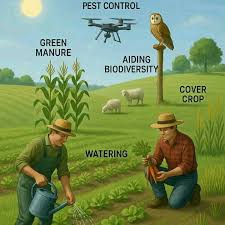
Organic farming books for beginners typically cover several core areas. Soil health is almost always the first and most important topic. You’ll learn why healthy soil is the foundation of organic growing and how to build it using compost, cover crops, and other natural methods.
This isn’t just about fertilizer; it’s about creating a living ecosystem in your soil.
Pest and disease management is another critical area. Instead of using chemical pesticides, organic farming relies on natural methods. Books will explain integrated pest management (IPM) strategies, encouraging beneficial insects, using companion planting, and understanding crop resilience.
This approach focuses on prevention and balance rather than eradication.
Crop rotation and planning are also common themes. This involves understanding how different plants affect the soil and how to plan your planting schedule to maximize yields and prevent depletion. Good books will offer practical charts or advice on planning rotations for common garden vegetables or farm crops.
This helps maintain soil fertility and reduce pest buildup naturally.
Understanding organic certification is sometimes covered, too. While not all small-scale farmers seek formal certification, knowing the principles behind it can guide your practices. Some books will explain what organic certification means, its standards, and why farmers choose it.
This can provide a framework for your own farming goals, whether you plan to sell to the public or simply grow food for your family.
Finally, books often touch on seed saving, natural fertilization, and water management. These are all integral parts of a self-sustaining organic system. Learning these techniques empowers you to become more independent and resilient in your farming efforts.
It’s about working with nature’s cycles, not against them.
How To Read And Apply What You Learn
Once you have your chosen organic farming books, the next step is to use them effectively. Don’t just read them from cover to cover like a novel. Instead, treat them as practical guides.
When a book talks about making compost, get out some materials and start building a compost bin. If it discusses beneficial insects, go out to your garden and try to identify them.
Make notes as you read. Highlight important passages. Create a notebook or a digital document where you can jot down key ideas, plans, or observations from your reading.
This active engagement helps you absorb the information and makes it easier to refer back to later when you need specific advice.
Consider starting small. Organic farming is a practice that develops over time. You might begin by applying the principles to a small garden plot before scaling up.
This allows you to experiment with the techniques you’ve learned in your books in a low-risk environment. You can learn from your successes and mistakes without major consequences.
Try to connect with other organic farmers if you can. While books are excellent teachers, real-world experience is invaluable. Online forums, local gardening clubs, or farmer’s markets can be great places to ask questions and share your learning.
Often, experienced farmers are happy to share their insights and help guide newcomers.
Popular Types Of Organic Farming Books
There are many excellent books that focus on different aspects of organic farming. Some are broad overviews, while others delve deep into specific areas. Understanding these categories can help you find exactly what you’re looking for.
Comprehensive Organic Gardening Guides
These books aim to cover all the basics of organic gardening. They are perfect for absolute beginners who want a one-stop shop for learning about soil, planting, pest control, and harvesting. They often provide month-by-month or season-by-season guidance.
These guides are written to be accessible and practical for home gardeners.
- Focus: Broad overview of organic gardening for home use.
- Content: Soil building, seed starting, watering, common pests, harvesting.
- Best For: Beginners looking for a complete introduction to organic home gardening.
One example is a book that walks you through building your first organic vegetable patch. It might start with selecting the right location, then explain how to amend the soil using compost and manure. It would likely include guides on starting seeds indoors, transplanting seedlings, and a calendar of what to plant when for your specific climate zone.
The advice would be straightforward, like how to water deeply but less frequently, or how to use crushed eggshells to deter slugs.
Soil Health And Composting Manuals
These books zero in on the most crucial element of organic farming: the soil. They explain the science behind healthy soil in simple terms and provide detailed instructions on how to create and maintain it. Topics include composting techniques, cover cropping, mulching, and understanding soil microbes.
- Focus: Deep dive into creating and managing fertile organic soil.
- Content: Composting methods, cover crops, green manure, soil testing, beneficial microbes.
- Best For: Those who want to master soil fertility as the cornerstone of their farming.
A book dedicated to composting might explain different methods like hot composting versus cold composting. It would detail the ideal carbon-to-nitrogen ratio (the “browns” and “greens”) needed for quick and effective decomposition. You could learn how to build a simple bin from pallets or even just a pile.
It might also discuss worm composting (vermicomposting) as a way to produce nutrient-rich worm castings for your plants.
Organic Pest And Disease Management Resources
Instead of chemicals, organic farming relies on a nuanced understanding of ecosystems. These books teach you how to identify pests and diseases, understand their life cycles, and implement natural control methods. This includes attracting beneficial insects, using companion planting, and choosing disease-resistant varieties.
- Focus: Natural ways to prevent and manage pests and diseases.
- Content: Identifying pests, beneficial insects, companion planting, natural sprays, plant diseases.
- Best For: Farmers wanting to keep crops healthy without synthetic inputs.
Imagine a book that shows you pictures of common garden pests and beneficial insects. For each pest, it would explain its damage and then offer solutions. For instance, it might suggest releasing ladybugs to control aphids, planting marigolds to deter nematodes, or making a simple soap spray to manage spider mites.
The emphasis is always on creating a balanced environment where pests are kept in check naturally.
Specific Crop Guides (Vegetables, Fruits, Herbs)
Some books focus on growing specific types of plants organically. These are invaluable if you have a particular interest, like growing tomatoes, berries, or culinary herbs. They offer tailored advice for each plant’s unique needs.
- Focus: Organic cultivation of particular plants or plant groups.
- Content: Variety selection, planting, care, common issues specific to the crop.
- Best For: Growers focused on mastering the organic cultivation of specific plants.
A guide to organic tomato growing might cover choosing the best heirloom varieties for your climate, how to start seedlings for strong root development, and how to support them with trellises or stakes. It would explain how to prevent common tomato diseases like blight or blossom end rot using organic methods. You might learn about companion plants like basil, which is said to improve tomato flavor and deter pests.
Farm-Scale Organic Agriculture
For those looking to farm on a larger scale, these books provide guidance on principles and practices relevant to commercial organic operations. They often cover business aspects, crop planning for larger fields, and advanced soil management techniques.
- Focus: Organic farming principles and practices for commercial operations.
- Content: Crop planning, soil fertility on a larger scale, equipment, business management.
- Best For: Aspiring or current farmers aiming for commercial organic production.
A book on commercial organic vegetable farming might discuss market garden design, planning crop succession for continuous harvest, and managing larger compost systems. It would also touch on equipment needs, marketing strategies for selling to restaurants or wholesale, and considerations for organic certification if applicable. The advice would be geared towards efficiency and profitability while maintaining organic integrity.
Where To Find Great Organic Farming Books
Finding the right organic farming books is easier than you might think. Many resources are available, from local libraries to online bookstores. Don’t limit yourself to just one source.
Variety can lead you to find hidden gems.
Local Libraries And University Extension Offices
Your local library is a fantastic starting point. They often have a good selection of gardening and farming books, including many on organic methods. It’s a great way to explore different authors and topics without any cost.
You can check out several books and see which ones resonate with you before deciding to purchase.
University extension offices are also invaluable resources. Many universities have agricultural departments that offer publications and resources on organic farming. These are often research-based and highly practical, designed to help farmers in their region.
Check their websites or visit their offices; they sometimes have recommended reading lists or even offer workshops.
Online Book Retailers
Online marketplaces offer a vast selection of organic farming books. You can find new and used copies, often at competitive prices. Websites like Amazon, Barnes & Noble, and specialized gardening book sites are excellent places to browse.
Reading reviews from other buyers can help you gauge a book’s quality and relevance to your needs.
When shopping online, pay attention to the book’s description and table of contents. This will give you a good idea of the topics covered. Look for books that have clear titles and descriptions that align with what you want to learn.
Also, consider the publication date. While organic principles are timeless, newer editions might include updated research or practices.
Specialty Publishers And Organic Organizations
Several publishers focus specifically on gardening, agriculture, and sustainable living. These often have a strong catalog of high-quality organic farming books. Look for publishers known for their expertise in this area.
Organic farming organizations, such as the Organic Consumers Association or Rodale Institute, often recommend books or have their own publications. These organizations are dedicated to promoting organic practices, so their resources are usually reliable and up-to-date. Checking their websites or contacting them directly can lead you to excellent book suggestions.
Understanding Key Terms In Organic Farming Books
When you start reading, you’ll encounter some terms that might be new. Don’t let them scare you off! Most organic farming books explain these clearly.
Here are a few common ones you’ll see.
Soil Organic Matter
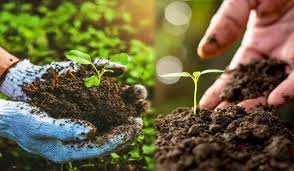
Soil organic matter refers to the organic materials in the soil, including decomposed plants and animals, living microorganisms, and partially decomposed material. It’s like the lifeblood of healthy soil. High levels of organic matter improve soil structure, water retention, and nutrient availability.
It also feeds beneficial soil organisms.
- Explanation: Organic matter acts like a sponge, holding water and nutrients. It provides food for earthworms and microbes that break down nutrients, making them available to plants. It also helps soil particles clump together, improving aeration and drainage.
- Importance: Essential for building fertile soil that can sustain healthy plant growth naturally.
- How to Increase: Adding compost, manure, cover crops, and mulching.
For example, if a book talks about increasing soil organic matter, it means you should be adding things like compost, aged manure, or planting cover crops that you then till back into the soil. Think of it as feeding your soil. A soil rich in organic matter will be darker, have a crumbly texture, and smell earthy.
It will also drain well but hold moisture, so plants don’t dry out as quickly.
Cover Crops
Cover crops are plants grown not for harvest, but for the benefit of the soil. They are planted to protect the soil from erosion, suppress weeds, improve soil fertility, and increase soil biodiversity. Different cover crops offer different benefits.
Some fix nitrogen from the air into the soil, while others add organic matter or break up compacted soil.
- Explanation: These are like a blanket for your soil. They grow in fields when you’re not growing your main crops.
- Benefits: Prevent soil erosion by wind and rain, smother weeds, add nutrients (like nitrogen), improve soil structure.
- Examples: Clover, vetch, rye, buckwheat, alfalfa.
A book might suggest planting a mix of cover crops. For instance, clover and vetch are legumes that can add nitrogen to the soil, which is great for plants that need a lot of nitrogen, like leafy greens. Rye or oats can help break up hard soil.
You plant them after your main harvest, let them grow for a season, and then till them back into the ground before planting your next crop. This enriches the soil naturally.
Beneficial Insects
Beneficial insects are natural predators or parasites of common garden pests. They play a crucial role in keeping pest populations under control in an organic system. Learning to identify them and encourage their presence is a key organic farming strategy.
Common examples include ladybugs, lacewings, hoverflies, and parasitic wasps.
- Explanation: These are the good bugs that eat the bad bugs.
- Examples: Ladybugs eat aphids, lacewings eat a wide range of pests, hoverflies eat aphids and other small insects.
- How to Attract: Plant flowers that provide nectar and pollen, avoid pesticides, provide habitat like mulch or brush piles.
When an organic farming book discusses pest control, it will likely mention attracting beneficial insects. This might involve planting specific flowers like dill, fennel, or yarrow, which provide food and habitat. You might also be advised to avoid broad-spectrum pesticides that kill both pests and their natural enemies.
A healthy garden ecosystem relies on a balance, and beneficial insects are a big part of that balance.
Compost Tea
Compost tea is a liquid fertilizer and soil conditioner made by steeping compost in water, often with aeration. It’s a way to extract the beneficial microbes and soluble nutrients from compost and deliver them directly to plants and soil. It’s a potent way to boost plant health and soil biology.
- Explanation: A nutrient-rich liquid made from compost.
- Purpose: Feeds plants directly and inoculates the soil with beneficial microbes.
- Benefits: Can improve plant vigor, disease resistance, and soil health.
A book on organic pest and disease management might suggest using compost tea as a foliar spray. This means spraying it on the leaves of plants. The microbes in the tea can help create a protective barrier on the leaf surface, making it harder for fungal diseases to take hold.
It also provides a quick nutrient boost to the plant. Making compost tea can be done with simple equipment, usually a bucket, compost, and an air pump.
Companion Planting
Companion planting is the practice of growing different plants together that benefit each other. These benefits can include deterring pests, attracting beneficial insects, improving soil fertility, or enhancing growth and flavor. It’s an age-old organic technique for creating a more harmonious garden ecosystem.
- Explanation: Planting different crops next to each other to help each other out.
- Benefits: Pest deterrence, attracting helpful insects, improved soil, better growth.
- Examples: Basil with tomatoes (improves flavor, deters pests), marigolds with vegetables (repel nematodes), carrots with rosemary (deters carrot fly).
You’ll find many examples of companion planting in organic farming books. For instance, planting basil near tomatoes is a classic pairing. Basil is thought to deter tomato hornworms and whiteflies, while some gardeners believe it improves the tomato’s flavor.
Another example is planting radishes with cucumbers. The radishes are harvested early, which loosens the soil for the cucumber roots. It’s all about creating a natural synergy in the garden.
Common Myths Debunked
Myth 1: Organic Farming Books Are Only For Experts
This is far from true. While there are advanced books for experienced farmers, a vast number of organic farming books are specifically written for beginners. These books break down complex ideas into simple steps.
They are designed to be accessible to anyone, regardless of their prior farming or gardening experience. Many use plain language and focus on practical application.
Myth 2: Organic Farming Is Too Difficult For Beginners
Many people think organic farming is incredibly hard and only for the naturally gifted. In reality, organic farming is about working with nature, not against it. While it requires observation and learning, the principles are straightforward.
Starting with a good beginner’s book can make the process feel manageable and rewarding. It’s a skill that develops with practice.
Myth 3: Organic Books Are Expensive And Hard To Find
While some specialized books might have a higher price tag, many excellent organic farming books are affordable. Libraries offer free access, and used book markets are full of great deals. Online retailers also frequently have sales.
The availability of information, especially through online resources and community groups, makes learning about organic farming more accessible than ever before.
Myth 4: Organic Farming Means No Pests Or Diseases At All
Organic farming aims to create a healthy, balanced ecosystem where pests and diseases are managed naturally, not eradicated completely. It’s about resilience and balance. Some pest issues are normal, even in organic systems.
The goal is to prevent major outbreaks and handle minor ones with natural methods, rather than expecting a completely pest-free environment all the time.
Frequently Asked Questions
Question: What is the most important thing to look for in a beginner organic farming book?
Answer: The most important thing is clarity and practicality. Look for books that explain concepts simply and offer actionable advice you can use right away in your garden or farm.
Question: Do I need to know a lot about science to read organic farming books?
Answer: No, not at all. Good beginner books explain any necessary scientific concepts in an easy-to-understand way. You’ll learn as you read.
Question: Should I buy books on general organic farming or specific crops?
Answer: It’s best to start with a general organic farming book to get the fundamentals. Once you have a good grasp, you can then find books on specific crops you are interested in growing.
Question: Are older organic farming books still relevant today?
Answer: Many older books on organic farming are still highly relevant because the core principles of soil health and natural systems haven’t changed. However, newer editions might include updated research or techniques.
Question: Where can I find trusted authors for organic farming books?
Answer: Look for authors who are experienced organic farmers, educators, or researchers. Checking reviews and looking at books recommended by reputable organic organizations can also help you find trusted sources.
Summary
Finding the right organic farming books can feel like a puzzle, but it’s solvable. We’ve explored what makes a book great for beginners, highlighting clarity, practical advice, and credible authors. You’ve seen the key topics these books cover, from soil health to pest management.
Remember to use these books as guides, not just for reading. Start small, take notes, and apply what you learn. Your organic farming success starts with the right knowledge, easily found in these helpful resources.