Choosing between growing food the natural way or using man-made fertilizers can seem tricky when you’re just starting out. It’s easy to get confused by all the different advice. But don’t worry!
We’ll make this simple. You’ll learn exactly what you need to know to grow healthy food, step by step. Get ready to discover the best way for you to grow!
Key Takeaways
- You will learn the main differences between organic farming and chemical fertilizers.
- You will see how each method affects the soil and plants.
- You will understand the pros and cons of using chemical fertilizers.
- You will discover the benefits of choosing organic farming practices.
- You will learn how to make smart choices for your garden or farm.
- You will find out how to improve soil health naturally.
Understanding Organic Farming
Organic farming is a way of growing food that focuses on working with nature. It means avoiding synthetic chemicals like pesticides and artificial fertilizers. The goal is to build healthy soil, protect the environment, and grow nutrient-rich food.
This method looks at the farm as a whole system, like a living thing. It encourages biodiversity, which means having many different kinds of plants and animals. This creates a more balanced and resilient farm ecosystem.
Organic farming also promotes good animal welfare and fair treatment for farm workers.
What Is Organic Farming
At its heart, organic farming is about creating a healthy environment for plants to grow without harming the earth. It uses natural processes and materials. Think of compost, manure, and green manure crops to feed the soil.
These things break down over time and release nutrients slowly. This keeps the soil alive and full of helpful tiny organisms. It’s like giving your plants a slow, steady meal instead of a quick, artificial fix.
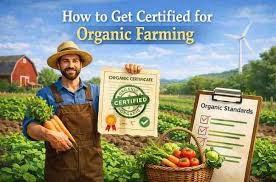
The Soil Association in the UK defines organic farming as a system that aims to produce high-quality food in sufficient quantity. It does this while respecting the environment, animal welfare, and ecological balance. This means not just growing food but doing it in a way that sustains the land for future generations.
Benefits of Organic Farming
- Improved Soil Health: Organic methods build up soil structure, fertility, and microbial life. This leads to better water retention and less erosion. Healthy soil is the foundation of a healthy farm. It can support crops for years to come without needing constant artificial inputs. This long-term approach saves money and protects the land.
- Environmental Protection: By avoiding synthetic chemicals, organic farming reduces water pollution from runoff. It also supports biodiversity, giving homes to more insects, birds, and other wildlife. Cleaner water and richer ecosystems benefit everyone. It also helps to reduce greenhouse gas emissions from fertilizer production.
- Healthier Food: Many people believe organic food is more nutritious and free from harmful pesticide residues. While research continues, the focus on natural growing methods generally leads to produce that is grown without synthetic chemicals. This can give consumers peace of mind about what they are eating.
- Animal Welfare: Organic standards often require higher levels of animal welfare, with access to pasture and organic feed. This ensures animals are treated more humanely. It’s a holistic approach that considers all living things on the farm.
Organic Farming Practices
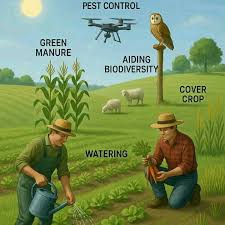
Organic farmers use a variety of methods to keep their farms healthy. They rotate crops, planting different things in the same field over different seasons. This helps prevent pests and diseases from building up.
They also use cover crops, which are plants grown not for harvest but to protect and improve the soil. These plants prevent soil erosion, add organic matter, and can even fix nitrogen from the air into the soil.
Natural pest control is also key. Instead of chemical sprays, farmers encourage beneficial insects that eat the pests. They might also use physical barriers or traps.
Weed control is done through methods like mulching (covering the soil with organic material) or mechanical weeding. This all contributes to a balanced farm ecosystem.
Understanding Chemical Fertilizers
Chemical fertilizers, also known as synthetic or artificial fertilizers, are made in factories. They contain concentrated nutrients like nitrogen, phosphorus, and potassium, often called NPK. These nutrients are designed to be easily absorbed by plants.
They can provide a quick boost to plant growth, helping crops grow faster and yield more in the short term. Farmers often turn to them because they are predictable and can solve nutrient deficiencies quickly.
The manufacturing process for these fertilizers can be energy-intensive. They often rely on fossil fuels. While they can be very effective at delivering specific nutrients, their overuse can lead to problems with soil health and the environment.
It’s important to understand how they work and their potential downsides.
What Are Chemical Fertilizers
Chemical fertilizers are manufactured substances that supply plants with essential nutrients in readily available forms. The most common nutrients are nitrogen (N), phosphorus (P), and potassium (K). These are the main building blocks plants need to grow strong stems, roots, and flowers.
They are produced through industrial processes that combine elements like nitrogen from the air, phosphate rock, and potash.
Unlike organic matter, which breaks down slowly, the nutrients in chemical fertilizers are often in a salt form. This allows plants to take them up very quickly. This speed can be a major advantage for farmers wanting to see rapid results or correct a known deficiency in their soil.
Benefits of Chemical Fertilizers
The main advantage of chemical fertilizers is their immediate impact. They can quickly correct nutrient deficiencies in the soil, leading to faster plant growth and increased yields. This can be a critical factor for farmers needing to meet production targets or overcome poor soil conditions.
They are also very precise. Farmers can choose fertilizers with specific ratios of NPK to meet the exact needs of different crops at different stages of growth. This targeted approach can optimize plant performance.
Their ready availability and consistent quality also make them a reliable choice for many agricultural operations.
Drawbacks of Chemical Fertilizers
- Soil Degradation: Over time, chemical fertilizers can harm soil life. They can reduce the number of beneficial microbes and earthworms. This can lead to compacted soil that doesn’t hold water well. The soil can become dependent on these artificial inputs, losing its natural ability to provide nutrients.
- Environmental Pollution: When fertilizers are applied, not all nutrients are absorbed by plants. Excess nitrogen and phosphorus can be washed away by rain into rivers and lakes. This causes eutrophication, leading to algal blooms that harm aquatic life. This runoff can also contaminate groundwater.
- Health Concerns: Some studies suggest that a diet based on heavily fertilized crops might have lower levels of certain micronutrients. Also, the production of these fertilizers is a significant source of greenhouse gas emissions.
- Cost and Sustainability: Chemical fertilizers rely on finite resources like phosphate rock and natural gas. Their prices can be volatile, and their long-term sustainability is a concern.
How Chemical Fertilizers Work
Chemical fertilizers work by providing plants with soluble nutrients that can be easily absorbed by their roots. For example, nitrogen is often supplied in forms like urea or ammonium nitrate. Plants take these up, and it helps them produce proteins and chlorophyll, which are essential for growth and photosynthesis.
Phosphorus is usually provided as phosphates, which are vital for root development, flowering, and fruiting. Potassium, often in the form of potassium chloride, helps plants manage water, resist disease, and build strong tissues. When applied, these nutrients dissolve in the soil water, creating a nutrient solution that roots can readily access.
This rapid availability is what makes them so effective for a quick growth response.
Comparing Organic Farming and Chemical Fertilizers
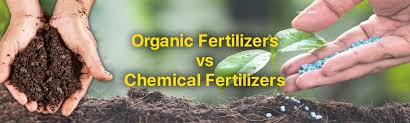
The choice between organic farming and chemical fertilizers boils down to different philosophies and approaches to agriculture. Organic farming aims for long-term soil health and ecological balance, treating the farm as a complex ecosystem. Chemical fertilizers offer quick, targeted nutrient delivery for immediate plant growth, focusing on efficiency and yield.
Think of it like this: organic farming is like preparing a nutritious, slow-cooked meal that builds health over time. Chemical fertilizers are more like a quick energy drink – they provide a fast boost but don’t offer the same complete nourishment or long-term benefits. The best approach often depends on specific goals, resources, and values.
Impact on Soil Health
Organic farming actively builds soil health. Methods like adding compost and manure increase organic matter. This improves soil structure, making it looser and better able to absorb water and air.
It also feeds a diverse community of soil microbes, which are essential for nutrient cycling and plant health. Over time, this creates a resilient soil that can sustain crops year after year.
Chemical fertilizers, while providing nutrients, can bypass or even damage this soil ecosystem. High salt concentrations can harm beneficial microbes. Without the addition of organic matter, the soil can become compacted and lose its ability to retain nutrients.
It can become less fertile naturally, requiring more and more fertilizer input.
Environmental Considerations
Organic farming is generally much better for the environment. By avoiding synthetic chemicals, it reduces the risk of water pollution. It also encourages biodiversity, supporting a wider range of plants and animals on and around the farm.
This creates a more balanced and sustainable agricultural system.
Chemical fertilizers pose significant environmental risks. Runoff can pollute waterways, leading to harmful algal blooms. The production of nitrogen fertilizers is a major contributor to greenhouse gas emissions.
While they boost crop yields, the environmental cost can be substantial in the long run.
Yields and Crop Performance
In the short term, chemical fertilizers often lead to higher yields, especially in nutrient-poor soils. They provide exactly what plants need, when they need it, for rapid growth. This can be very attractive to farmers focused on maximizing production.
However, organic farming, once the soil is built up, can achieve comparable yields. Furthermore, organic crops may sometimes have better storability and a longer shelf life. The focus on healthy soil also builds resilience against pests and diseases, potentially reducing crop losses over time.
Many studies show that organic systems can be very productive when managed correctly.
| Feature | Organic Farming | Chemical Fertilizers |
|---|---|---|
| Nutrient Source | Compost, manure, cover crops, natural minerals | Synthetically manufactured chemicals (N, P, K) |
| Soil Impact | Builds soil health, organic matter, and microbial life | Can degrade soil structure and harm soil life with overuse |
| Environmental Impact | Lower pollution risk, supports biodiversity | Risk of water pollution, high greenhouse gas emissions from production |
| Speed of Action | Slow and steady release of nutrients | Fast and immediate nutrient availability |
| Long-Term Goal | Sustainable soil fertility and ecosystem health | Maximizing short-term yield and efficiency |
Common Myths Debunked
Myth 1: Organic farming always results in lower crop yields than chemical farming.
This is a common misconception. While some studies in the past showed lower yields, newer research indicates that organic farming can achieve yields comparable to conventional farming, especially in well-managed systems. Building healthy soil over time leads to better nutrient availability and plant resilience, which can support high productivity.
In some cases, organic yields can even surpass conventional yields, particularly during droughts.
Myth 2: Chemical fertilizers are completely harmless if used correctly.
While correct application minimizes risks, chemical fertilizers still have inherent environmental impacts. Their production is energy-intensive, and even with careful use, some nutrient runoff is possible, especially in certain weather conditions. The long-term effects on soil microbial communities can also be a concern, even if not immediately visible.
Myth 3: Organic food is always more expensive because it’s harder to grow.
While organic food can sometimes have a higher price tag, this is often due to factors beyond just farming costs. Marketing, certification processes, and smaller economies of scale can contribute to the price. Furthermore, the true cost of chemically produced food, considering environmental and health impacts, is often not fully reflected in its price.
As organic farming becomes more widespread, costs tend to decrease.
Myth 4: All organic farming is the same.
Organic farming is a broad category with different approaches and standards. While all certified organic farming avoids synthetic inputs, there are variations in practices. Some organic farmers might rely more heavily on specific types of natural amendments, while others focus on complex crop rotations and integrated pest management.
The term encompasses a range of strategies aimed at sustainability.
Frequently Asked Questions
Question: What are the main nutrients in chemical fertilizers
Answer: The main nutrients are nitrogen (N), phosphorus (P), and potassium (K), often referred to as NPK.
Question: How does organic farming help the environment
Answer: It reduces pollution, supports biodiversity, and improves soil health, which helps combat climate change.
Question: Can organic farming produce enough food for everyone
Answer: Yes, with proper management, organic systems can be highly productive and sustainable long-term.
Question: Are chemical fertilizers bad for soil
Answer: Overuse can degrade soil structure, harm beneficial microbes, and lead to nutrient imbalances.
Question: Is organic farming more labor-intensive
Answer: It can be, especially in pest and weed management, but advanced techniques and healthy soil can reduce this over time.
Conclusion
Deciding between organic farming and chemical fertilizers involves looking at what matters most. Organic methods build a healthy farm ecosystem for the long haul. Chemical fertilizers offer quick boosts for higher yields now.
Both have their place, but a balanced approach, focusing on soil health, is key for sustainable food production.