Starting with organic farming techniques can seem tricky at first. You might wonder if it’s too complicated or if you’ll make mistakes. But don’t worry!
It’s actually simpler than you think, and we’re here to guide you step by step. We’ll break down everything you need to know to get started. Get ready to learn some easy ways to grow food the natural way.
Key Takeaways
- You will learn basic organic farming methods.
- You will understand why organic growing is good for the planet.
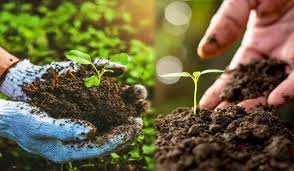
- You will discover how to improve your soil naturally.
- You will find out about pest control without chemicals.
- You will see how crop rotation helps your garden.
- You will get simple ideas to start right away.
What Is Organic Farming And Why Does It Matter
Organic farming is a way of growing food that avoids synthetic pesticides, fertilizers, genetically modified organisms (GMOs), and sewage sludge. It focuses on using natural processes and materials to keep the soil healthy and the plants strong. This approach is good for the environment because it protects water sources from pollution.
It also helps biodiversity by encouraging beneficial insects and other wildlife.
Choosing organic farming methods helps create food that is often seen as healthier and tastier. Many people prefer organic because they want to avoid chemicals that might be in conventionally grown food. This style of farming also builds up the soil over time.
Healthy soil means healthier plants that can better resist diseases and pests. It’s a system that works with nature, not against it.
Benefits Of Organic Farming Techniques
- Environmental Protection
- Improved Soil Health
- Better for Human Health
- Supports Biodiversity
Organic farming practices help protect the environment by reducing pollution of air, water, and soil. For example, by not using synthetic fertilizers, there is less runoff into rivers and lakes, which helps aquatic life. These farming methods also promote a healthy ecosystem.
This means more beneficial insects, birds, and other animals can live on and around the farm. This natural balance is a key part of why organic farming is good for the planet. It fosters a healthy environment for farming and for nature.
One of the biggest pluses of organic farming is how it builds up soil quality. Instead of relying on chemical fertilizers that can deplete the soil over time, organic farmers use compost, manure, and cover crops. These materials add nutrients and organic matter to the soil.
This makes the soil structure better, allowing it to hold more water and air. Healthy soil is like a sponge. It can absorb rain better and release it slowly, which is good during dry spells.
It also supports a thriving community of microorganisms that help plants grow.
Many people choose organic because they believe it’s better for their health. Organic produce is grown without synthetic pesticides. These are chemicals that can have negative health effects.
By avoiding these chemicals, organic food is generally considered safer. Also, some studies suggest that organic food can have higher levels of certain nutrients and antioxidants. This is because the plants are grown in healthier soil and under less stress from chemicals.
Organic farming creates habitats for a wide variety of plants, insects, birds, and other animals. This is because organic farms don’t use broad-spectrum pesticides that kill good bugs along with the bad. Instead, they often use natural pest control methods.
This allows beneficial insects, like ladybugs that eat aphids, to thrive. The use of cover crops and diverse plantings also provides food and shelter for wildlife. A farm that has a lot of different types of life on it is a healthier and more resilient farm.
Essential Organic Soil Building Methods
Building healthy soil is the foundation of organic farming. Without good soil, plants struggle to grow. Organic farmers focus on feeding the soil, not just the plants.
They use natural materials to improve soil structure, fertility, and water retention. This makes the soil alive and full of nutrients. It creates a great environment for roots to grow strong and healthy.
The goal is to create a rich, dark soil that is crumbly and smells earthy. This kind of soil is teeming with beneficial microbes and earthworms. They play a vital role in breaking down organic matter and making nutrients available to plants.
It’s like a healthy gut for the soil, which leads to healthy plants.
Composting For Rich Soil
- What Is Composting
- Materials For Your Compost Pile
- How To Compost
Composting is the process of breaking down organic materials, like kitchen scraps and yard waste, into a rich soil amendment. It’s a natural recycling process. Think of it as nature’s way of turning waste into gold for your garden.
The finished product, called compost, is full of nutrients and beneficial microbes. It’s a fantastic food source for your soil and plants.
You can compost many things. Good “greens” include fruit and vegetable scraps, coffee grounds, tea bags, and grass clippings. Good “browns” are dried leaves, straw, shredded newspaper, and small twigs.
It’s important to have a balance of greens and browns. Too many greens can make your compost pile smell bad. Too many browns can make it break down too slowly.
Start by layering your green and brown materials in a compost bin or pile. Aim for about two parts browns to one part greens. Keep the pile moist, like a damp sponge, but not soaking wet.
Turning the pile regularly, about once a week, helps speed up the process. This adds air, which is needed for the microbes to work. In a few months, you’ll have nutrient-rich compost ready to use.
Cover Cropping For Soil Improvement
- What Is Cover Cropping
- Benefits Of Cover Crops
- Examples Of Cover Crops
Cover crops are plants grown not for harvest, but to benefit the soil. They are planted between main growing seasons or between rows of crops. Their primary job is to protect and improve the soil.
They act like a natural blanket for the soil. This prevents erosion from wind and rain.
Cover crops add nutrients back into the soil, especially nitrogen if you use legumes. They help improve soil structure by adding organic matter when they are tilled in. Some cover crops have deep roots that break up hard soil layers.
This makes it easier for plant roots to grow. They also help suppress weeds by outcompeting them for sunlight and space. This reduces the need for manual weeding or herbicides.
Common cover crops include clover, vetch, rye, and buckwheat. Clover and vetch are legumes that fix nitrogen from the air into the soil. Rye is a hardy grain that can grow in cooler weather and helps prevent erosion.
Buckwheat grows quickly and is good at suppressing weeds. Choosing the right cover crop depends on your climate, soil type, and what you want to achieve.
Crop Rotation For Soil Health And Pest Control
- What Is Crop Rotation
- How It Works
- Planning Your Rotation
Crop rotation is the practice of planting different types of crops in the same area in sequenced seasons. Instead of growing the same thing in the same spot year after year, you change it up. This is a very old and effective organic farming technique.
It helps to break pest and disease cycles. It also helps to manage soil nutrients.
Different plants use different nutrients from the soil. Some plants, like legumes, add nitrogen back. Others, like corn, use a lot of nitrogen.
By rotating crops, you balance the nutrient demands on the soil. Also, pests and diseases often target specific types of plants. If you move that plant type, the pests or diseases can’t complete their life cycle.
This naturally reduces their numbers over time. For example, if you grew tomatoes (a type of nightshade) last year, you wouldn’t plant potatoes (also a nightshade) in the same spot this year.
A simple rotation might involve three or four main groups of crops. For example, you could rotate between root vegetables, leafy greens, legumes, and fruiting plants. A four-year rotation might look like this: Year 1: Legumes (beans, peas).
Year 2: Leafy Greens (lettuce, spinach). Year 3: Fruiting Plants (tomatoes, peppers). Year 4: Root Vegetables (carrots, radishes).
This simple plan helps keep your soil healthy and your crops pest-free.
Natural Pest And Disease Management
One of the biggest challenges in any garden is dealing with pests and diseases. In organic farming, the focus is on prevention and using natural methods. This means creating a healthy environment where plants are strong and less likely to get sick or be attacked.
It’s about working with nature to keep problems in check.
Instead of reaching for chemical sprays, organic farmers use a variety of tools. These include encouraging good bugs, using physical barriers, and planting things that naturally repel pests. The idea is to create a balanced ecosystem in your garden.
This balance helps keep pest populations low naturally.
Beneficial Insects As Allies
- Who Are The Good Bugs
- How To Attract Them
- Using Beneficials
Beneficial insects are bugs that help control garden pests. They do this by eating them or by parasitizing them (laying eggs inside them). Think of ladybugs eating aphids, or lacewings eating caterpillars.
Praying mantises are also great predators. Even tiny parasitic wasps can lay eggs in insect eggs or larvae, stopping them before they become a problem. These natural helpers are key players in organic pest control.
You can attract beneficial insects by planting flowers that provide them with nectar and pollen. Plants like dill, fennel, parsley, yarrow, and marigolds are good choices. Avoid using broad-spectrum pesticides, as these kill the good bugs too.
Providing a water source, like a shallow dish with pebbles, can also help. Creating a welcoming habitat is essential for these helpful creatures.
Sometimes, you can even buy beneficial insects to release into your garden. This is especially useful if you have a specific pest problem. For example, you can buy ladybugs for aphid control or beneficial nematodes for soil-dwelling pests.
It’s important to release them at the right time and place, often in the evening. This gives them a chance to settle in before the sun gets too hot. This is a proactive way to manage pests organically.
Companion Planting Strategies
- What Is Companion Planting
- Examples Of Good Companions
- How It Works
Companion planting is the practice of growing certain plants together because they benefit each other. This can be for pest deterrence, attracting beneficial insects, or improving growth. Some plants naturally repel pests that bother other plants.
Others attract insects that prey on the pests. It’s like having a garden neighborhood where plants help each other out.
A classic example is planting basil with tomatoes. Basil is said to repel tomato hornworms and flies. Marigolds are well-known for deterring nematodes in the soil and repelling other insects.
Nasturtiums can act as a trap crop for aphids, luring them away from your main crops. Planting garlic or onions near carrots can help repel carrot rust flies.
The exact reasons why some plants benefit others are varied. It can be due to the scent of the plants confusing pests. It might be due to attracting beneficial insects that then protect neighboring plants.
Some plants may also improve the soil for their companions. This practice adds another layer of natural pest and disease management to your garden. It’s a simple, yet effective, organic strategy.
Organic Pest Control Products
- What Are They
- Insecticidal Soaps
- Neem Oil
- Bacillus Thuringiensis (Bt)
When natural methods aren’t enough, organic farmers can use approved organic pest control products. These are made from natural sources and break down quickly in the environment. They are considered safer than synthetic chemicals.
Examples include insecticidal soaps, neem oil, and Bacillus thuringiensis (Bt). These are carefully chosen to target specific pests with minimal harm to other organisms.
Insecticidal soaps work by breaking down the outer shell of soft-bodied insects like aphids, mites, and whiteflies. They must directly contact the pest to be effective. They are generally safe for beneficial insects once the spray has dried.
It’s important to use products specifically labeled as insecticidal soap, as dish soaps can damage plants. They are a good first line of defense for many common pests.
Neem oil is derived from the neem tree. It has several modes of action. It can act as an antifeedant, meaning insects won’t want to eat plants treated with it.
It can also disrupt insect growth and reproduction. It’s effective against a wide range of pests, including caterpillars, aphids, and beetles. It’s best applied in the early morning or late evening to avoid leaf burn.
Bt is a naturally occurring soil bacterium that is toxic to the larvae of certain insects, like caterpillars and mosquito larvae. It works by damaging their digestive system when they eat it. It’s very specific, meaning it doesn’t harm most other insects, animals, or humans.
There are different strains of Bt that target different types of pests. It’s a safe and effective biological control agent.
Water Management And Sustainable Practices
Water is essential for plant life, but using it wisely is crucial in any farming system, especially organic. Sustainable water management in organic farming means using water efficiently and protecting water resources. It’s about making sure you have enough water for your crops without wasting it or polluting nearby streams and rivers.
This approach helps conserve water, which is important for the environment. It also saves money and energy. By implementing smart watering techniques, you can grow healthy crops while being a good steward of the land.
It’s a win-win for the farmer and the planet.
Watering Techniques
- Drip Irrigation
- Mulching
- Watering Schedules
Drip irrigation is a very efficient way to water your plants. It involves a system of tubes and emitters that deliver water directly to the base of each plant. This means very little water is lost to evaporation or runoff.
You can control exactly how much water each plant gets. This is great for saving water, especially in dry climates. It also helps prevent fungal diseases by keeping the leaves dry.
Mulching is covering the soil around your plants with a layer of material. This can be organic materials like straw, wood chips, or compost. Mulch helps the soil retain moisture by reducing evaporation.
It also suppresses weeds, which compete with your plants for water. Mulch helps keep the soil temperature more even, protecting roots from extreme heat or cold. It also breaks down over time, adding nutrients to the soil.
Watering at the right time of day is important. Early morning is usually the best time. This allows water to soak into the soil before the sun gets too hot and causes evaporation.
Watering too late in the evening can leave plants wet overnight, which can encourage diseases. Observe your plants and soil to know when they need water. Don’t water on a strict schedule if the weather is cool or rainy.
Let nature guide your watering needs.
Rainwater Harvesting
- What It Is
- Methods For Harvesting
Rainwater harvesting is collecting and storing rainwater for later use. This can be done on a small scale in your garden or on a larger farm. It reduces your reliance on municipal water sources.
It also helps manage stormwater runoff, which can carry pollutants into waterways. Collecting rain is a simple way to use a free and natural resource.
On a small scale, you can use rain barrels connected to your downspouts. These collect water from your roof. For larger operations, you might use ponds, swales (shallow ditches on contour), or underground cisterns.
The collected water can be used for irrigation. It can also be filtered for other uses. It’s a sustainable way to supplement your water supply.
Many gardeners find it very effective.
Conservation Tillage
- What It Means
- Benefits
Conservation tillage is a farming method that reduces the amount of soil disturbance. Instead of deep plowing, it involves methods like no-till or minimum till. This means leaving crop residues on the soil surface.
These residues help protect the soil from erosion. They also help build up organic matter over time. It’s a gentler way of working the land.
Reducing tillage improves soil structure, which leads to better water infiltration and retention. It also helps reduce soil erosion by wind and water. This protects the topsoil, which is the most fertile layer.
It can also reduce fuel costs and labor for farmers. Over time, soil health improves significantly, leading to healthier crops.
Common Myths Debunked
Myth 1: Organic Farming Is Less Productive
Reality: While some studies have shown initial lower yields, many organic farms, especially those with well-established practices like building soil health and using crop rotation, can be just as productive, if not more so, than conventional farms. Years of healthy soil management and biodiversity on organic farms lead to resilient crops that can withstand stress better. This often results in consistent, high-quality yields.
The focus on long-term soil health creates a more stable and productive system.
Myth 2: Organic Food Is Always More Expensive
Reality: Organic food can sometimes cost more due to higher labor costs and the lack of subsidies that conventional agriculture receives. However, the price difference is often less than people assume, and prices are coming down as more people choose organic. When you consider the long-term health and environmental benefits, many find the value proposition of organic food to be excellent.
Furthermore, growing your own organic food dramatically reduces costs.
Myth 3: Organic Farming Is Only For Small Farms
Reality: Organic farming techniques are adaptable to farms of all sizes. While it started with smaller farms, many large-scale operations are successfully transitioning to organic methods. Technology and innovation are making large-scale organic farming more efficient and viable.
The principles of organic farming can be applied to vast fields just as effectively as to small garden plots. It’s about the practices, not just the farm size.
Myth 4: Organic Pest Control Is Ineffective
Reality: Organic pest control relies on a holistic approach that includes prevention, attracting beneficial insects, companion planting, and using approved natural products. While it may require more knowledge and observation, these methods can be very effective at managing pests and diseases without harming the environment. The goal is to create a balanced ecosystem where pests are kept in check naturally, rather than eradicated with harsh chemicals.
Frequently Asked Questions
Question: What are the most important organic farming techniques for a beginner?
Answer: For beginners, focusing on building soil health through composting and cover cropping, practicing simple crop rotation, and learning about attracting beneficial insects for pest control are key starting points. These create a strong foundation for success.
Question: How long does it take to see results with organic farming techniques?
Answer: You can see benefits quickly, like better soil moisture after mulching or fewer pests with companion planting. However, truly transforming soil health and establishing a balanced ecosystem can take a few seasons of consistent practice.
Question: Do I need special equipment for organic farming?
Answer: Not necessarily for home gardening. Basic gardening tools, a compost bin, and perhaps some materials for a rain barrel are usually sufficient. Larger farms may invest in specialized equipment over time.
Question: Is it hard to find organic seeds and plants?
Answer: It’s becoming much easier. Many garden centers and online retailers offer a wide selection of organic seeds and starts. Look for certifications or labels indicating they are organic.
Question: Can I combine organic techniques with my existing garden?
Answer: Absolutely! You can start introducing organic practices like adding compost, planting beneficial flowers, or using crop rotation in parts of your existing garden to see how they work for you.
Conclusion
Using organic farming techniques is a great way to grow healthy food. You learned about building soil with compost and cover crops. You saw how crop rotation helps plants and fights pests.
You also learned about using nature to control bugs and saving water. Start with one or two ideas and see how your garden thrives. You can create a happy, healthy growing space.