Thinking about organic farming but not sure where to start? It can seem like a lot to take in, especially when you’re just beginning. Many people wonder about the real organic farming benefits and how they actually work.
Don’t worry, it’s not as complicated as it looks! We’ll break it all down simply, step by step, so you can see just how good organic farming benefits truly are. Get ready to discover how easy it can be.
Key Takeaways
- Organic farming helps the environment by keeping soil healthy and reducing pollution.
- It produces food that is often more nutritious and free from harmful chemicals.
- Organic methods support biodiversity by creating habitats for wildlife.
- Farmers practicing organic methods often build stronger connections with their communities.
- Consumers benefit from safer food choices and a healthier planet.
- Organic farming can lead to more resilient farms that are better prepared for climate changes.
Why Choose Organic Farming
Explore the Advantages of Organic Farming
Organic farming is a way of growing food that works with nature, not against it. It’s a system that aims to protect the health of the soil, the environment, and the people who eat the food. When we talk about organic farming benefits, we’re looking at a wide range of positive effects that reach from the farm itself out into our communities and the wider world.
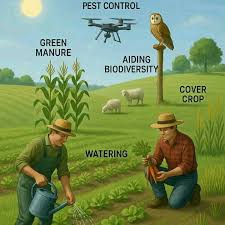
This approach means avoiding synthetic pesticides, fertilizers, and genetically modified organisms. Instead, it relies on practices like crop rotation, composting, and natural pest control. These methods are not just about producing food; they are about nurturing the land and creating a sustainable future for agriculture.
Many farmers and consumers are drawn to organic farming because it offers a path toward healthier living and a healthier planet.
Healthier Soil and Cleaner Water
One of the biggest pluses of organic farming is how it treats the soil. Healthy soil is like a living thing; it’s full of microbes and nutrients that help plants grow strong and resilient. Organic practices, such as adding compost and manure, build up the soil’s organic matter.
This makes the soil better at holding water and nutrients, which means less need for irrigation and synthetic fertilizers. When soil is healthy, it’s also less likely to erode, meaning less dirt washes into our rivers and lakes. This keeps our water cleaner for everyone to use and for aquatic life to thrive in.
Synthetic fertilizers and pesticides can wash off fields and pollute nearby water sources. This pollution can harm fish, birds, and even humans who rely on these water bodies. Organic farming avoids these harmful chemicals, protecting our waterways from contamination.
This commitment to environmental health is a core reason why many people champion organic methods.
Reducing Exposure to Harmful Chemicals
When food is grown using conventional methods, it’s often treated with synthetic pesticides. These chemicals are designed to kill pests, but they can also remain on the food we eat. Studies have shown that some pesticides may be linked to health problems over time.
Organic farming strictly limits or bans the use of these synthetic pesticides. This means that food grown organically typically has lower levels of pesticide residues, if any at all. This offers a significant benefit for consumers looking to reduce their exposure to potentially harmful substances.
It’s a direct way organic farming benefits families seeking to eat healthier.
The absence of synthetic pesticides in organic production not only benefits the consumer but also the farm workers who handle these chemicals regularly. Reducing their exposure creates a safer working environment. This focus on safety extends to the entire food chain, from the soil to the table.
Supporting Biodiversity
Biodiversity refers to the variety of plant and animal life in a particular habitat. Conventional farming can sometimes reduce biodiversity because it often uses monocultures (growing just one crop) and strong chemicals that can harm beneficial insects, birds, and other wildlife. Organic farms, on the other hand, tend to be more diverse.
They might grow a variety of crops, use natural methods to manage pests, and leave areas of land for wildlife. This creates a more balanced ecosystem where different species can coexist.
For instance, a field with a variety of flowering plants and hedgerows can provide food and shelter for pollinators like bees and butterflies. These insects are vital for the reproduction of many plants, including some of our food crops. By supporting these creatures, organic farming plays an important role in maintaining the health of our natural world.
This ecological balance is one of the profound organic farming benefits that often goes unnoticed.
Nutritional Value and Food Safety
Many people believe that organic food is more nutritious, and there’s growing evidence to support this. When crops are grown in healthy, living soil, they can often absorb a wider range of minerals and nutrients. These nutrients are then transferred to the food itself.
While the exact nutritional content can vary based on many factors, some studies have found that organic produce may have higher levels of certain vitamins, minerals, and antioxidants compared to conventionally grown food. This means that when you choose organic, you might be getting more of the good stuff.
Beyond nutrients, food safety is a major concern for consumers. The strict regulations surrounding organic certification mean that organic foods are grown without synthetic pesticides, genetically modified organisms (GMOs), and artificial additives. This provides a greater sense of security for consumers, especially parents who want to feed their families the purest food possible.
Knowing that your food is free from these unwanted substances is a significant advantage.
Increased Antioxidant Levels
Antioxidants are compounds that protect your cells from damage caused by harmful molecules called free radicals. These free radicals can contribute to aging and various diseases. Many fruits and vegetables are rich in antioxidants.
Some research suggests that organic produce may contain higher concentrations of certain antioxidants, such as polyphenols. These compounds are often produced by plants as a defense mechanism. When plants are grown without synthetic pesticides, they may naturally produce more of these protective compounds to defend themselves against pests and diseases.
This could mean that eating organic fruits and vegetables provides you with a stronger dose of these health-boosting substances.
For example, studies have indicated that organic berries might have higher levels of anthocyanins, a type of polyphenol that gives them their vibrant colors and is known for its antioxidant properties. This natural defense mechanism in the plants translates into a benefit for the people who consume them.
Lower Pesticide Residues
One of the most direct and commonly cited organic farming benefits for consumers is the significantly lower level of pesticide residues found in organic foods. Conventional farming often relies on a cocktail of synthetic pesticides to protect crops from insects, weeds, and diseases. While these chemicals are regulated, their presence on food is a concern for many.
Organic standards, on the other hand, prohibit the use of most synthetic pesticides. This means that when you buy organic, you are far less likely to be exposed to these chemicals through your diet.
Think of it this way: imagine a field sprayed with pesticides. When it rains, or when the crops are harvested, residues can remain on the produce. Organic fields are managed differently.
Natural methods are used, and if any naturally derived pest deterrents are used, they break down much more quickly and are generally considered safer. This reduction in chemical exposure is a primary driver for many consumers choosing organic options for themselves and their families.
Freedom from GMOs
Genetically Modified Organisms, or GMOs, are plants whose genetic material has been altered in a laboratory. While GMOs are widely used in conventional agriculture, organic farming standards prohibit their use. This means that if a product is certified organic, you can be sure that it does not contain any genetically modified ingredients.
For consumers who are concerned about the long-term effects of GMOs or prefer to eat foods that are in their natural state, this is a major benefit. It offers a clear choice for those seeking to avoid genetically engineered foods and aligns with the philosophy of natural farming methods.
The strict rules against GMOs in organic farming ensure that consumers who prioritize non-GMO foods have a reliable option. This transparency builds trust and allows consumers to make informed choices about the food they purchase and consume, reinforcing the value of organic certification.
Environmental Sustainability
Organic farming is a cornerstone of environmental sustainability. It’s designed to protect and enhance the natural world for future generations. Instead of depleting resources, organic methods aim to regenerate them.
This holistic approach considers the entire ecosystem, from the soil beneath our feet to the air we breathe.
The practices employed in organic farming contribute to a healthier planet in numerous ways. They help combat climate change, conserve water, and reduce pollution. This focus on long-term ecological health makes organic farming a vital part of creating a more sustainable food system.
The organic farming benefits for the environment are far-reaching and essential for a thriving planet.
Climate Change Mitigation
Climate change is a major global challenge, and agriculture plays a role in both contributing to and mitigating it. Organic farming practices can significantly help reduce greenhouse gas emissions. For example, by improving soil health, organic farms can store more carbon in the soil.
Healthy soil acts like a sponge, pulling carbon dioxide from the atmosphere and locking it away. This process is known as carbon sequestration, and it’s a powerful tool in fighting climate change.
Furthermore, organic farming avoids the use of synthetic nitrogen fertilizers. The production of these fertilizers is very energy-intensive and releases potent greenhouse gases like nitrous oxide. By relying on natural methods like crop rotation and compost, organic farms reduce their reliance on these problematic inputs, thereby lowering their carbon footprint.
This makes organic farming a key player in creating a more climate-friendly food system.
Water Conservation and Quality
Water is a precious resource, and organic farming practices are designed to use it wisely and protect its quality. Healthy soil, rich in organic matter, has a remarkable ability to absorb and retain water. This means that organic farms often require less irrigation than conventional farms, conserving valuable water resources.
The improved soil structure also helps water penetrate the soil more effectively, reducing surface runoff.
Reduced runoff is crucial for maintaining water quality. Conventional farming often sees pesticides and synthetic fertilizers washed from fields into nearby streams, rivers, and lakes. This pollution can harm aquatic life and contaminate drinking water supplies.
Organic farming, by avoiding these synthetic chemicals, significantly reduces the risk of water contamination, leading to cleaner waterways and healthier ecosystems. This protection of our water sources is a critical environmental advantage.
Energy Efficiency
The energy used in food production is a significant factor in environmental impact. Conventional agriculture often relies heavily on fossil fuels for machinery, transportation, and the manufacturing of synthetic fertilizers and pesticides. The production of synthetic nitrogen fertilizers, in particular, is an energy-intensive process that consumes large amounts of natural gas.
Organic farming generally uses less energy because it bypasses these resource-heavy synthetic inputs.
Instead of synthetic fertilizers, organic farmers use compost, animal manure, and cover crops to enrich the soil. While these methods still require some energy for preparation and application, the overall energy footprint is typically much lower. This focus on reducing energy consumption makes organic farming a more sustainable choice for the planet and helps to lessen our dependence on non-renewable resources.
Economic and Social Advantages
Beyond the environmental and health benefits, organic farming also offers significant economic and social advantages. It can create more resilient local economies and foster stronger community connections. The shift towards organic practices can lead to new opportunities for farmers and consumers alike, promoting a more equitable and sustainable food system.
These benefits are not always immediately apparent, but they contribute to a healthier society and a more robust agricultural sector. By supporting organic farming, we invest in a system that values both people and the planet. The broad spectrum of organic farming benefits shows its importance for our future.
Support for Local Economies
Organic farming often thrives on a local scale. Many organic farms sell their produce directly to consumers through farmers’ markets, community-supported agriculture (CSA) programs, or local grocery stores. This direct sales model means that more of the money spent on food stays within the local community, boosting local economies.
When you buy organic from a local farm, you’re not just buying food; you’re supporting a neighbor’s livelihood and helping to keep your community vibrant.
This localized approach also reduces transportation costs and emissions associated with long-distance food shipping. It builds a stronger connection between food producers and consumers, fostering trust and transparency in the food system. Local economies benefit from the jobs created by organic farms and the multiplier effect of money circulating within the region.
Opportunities for Farmers
Transitioning to organic farming can present new and rewarding opportunities for farmers. While the initial transition might involve learning new techniques and adapting practices, it can lead to premium prices for organic products. Consumers are often willing to pay more for food they perceive as healthier and more environmentally friendly.
This can improve a farmer’s profitability, especially for small to medium-sized farms.
Furthermore, organic farming often encourages innovation. Farmers develop creative solutions for pest and disease management, soil fertility, and crop diversity. This can lead to a deeper knowledge of their land and a more resilient farming operation.
The satisfaction of producing healthy food sustainably can also be a significant motivator for farmers.
Stronger Community Connections
Organic farms often become hubs for community engagement. Farmers’ markets and CSAs provide spaces where people can meet the people who grow their food, ask questions, and build relationships. This direct connection fosters a sense of trust and understanding between farmers and consumers.
It helps people appreciate the effort and care that goes into producing food organically.
Many organic farms also offer educational opportunities, such as farm tours, workshops, and volunteer days. These events allow people to learn about sustainable agriculture firsthand, connect with nature, and become more involved in their local food system. These interactions strengthen the bonds within a community and promote a shared commitment to healthy food and a healthy environment.
Common Myths Debunked
Myth 1 Organic Food Is Always More Expensive
While organic food can sometimes have a higher price tag, this isn’t always the case, and the perceived cost doesn’t always reflect the full value. Factors like the cost of labor, certification, and the fact that organic farms often focus on smaller yields can influence prices. However, with the growth of farmers’ markets, CSA programs, and bulk buying options, organic food is becoming more accessible and affordable.
Moreover, when you consider the long-term health benefits and the environmental savings, the true cost of organic food might be much lower than conventional alternatives.
Myth 2 Organic Farming Is Less Productive Than Conventional Farming
This is a common misconception. While some studies have shown slightly lower yields in the initial years of transitioning to organic, many long-term studies indicate that organic farming can be just as productive, and in some cases, even more productive, especially over time. This is because organic practices build soil health, which leads to more resilient crops that can better withstand drought or disease.
Organic methods focus on the long-term health of the land, which supports sustained productivity.
Myth 3 Organic Means No Pesticides Are Ever Used
This is not entirely accurate. Organic farming does not allow the use of synthetic pesticides. However, it does permit the use of certain naturally derived pesticides, such as those made from plant extracts or minerals, when necessary and approved by organic certifying bodies.
The key difference is that these natural substances are generally less persistent in the environment and break down more quickly than synthetic chemicals, posing less risk to health and ecosystems. The focus is on prevention and using natural solutions before resorting to any form of pest control.
Myth 4 Organic Is Just A Marketing Gimmick
The “organic” label is backed by strict government standards and rigorous certification processes. Farms that want to be certified organic must adhere to detailed guidelines regarding soil management, pest control, animal welfare, and more. These standards are designed to ensure that products labeled “organic” are genuinely produced according to these principles.
While marketing plays a role, the core of organic certification is about verifiable practices that offer tangible benefits to consumers and the environment.
Frequently Asked Questions
Question: What does it mean for a farm to be certified organic
Answer: When a farm is certified organic, it means it has met strict standards set by a certifying agency. These standards cover things like how soil is managed, what kinds of fertilizers and pesticides can be used, and how crops are grown. It ensures that the food produced is grown without synthetic chemicals, GMOs, or certain other prohibited substances.
Question: Are organic foods more nutritious than conventional foods
Answer: Some studies suggest that organic foods may contain higher levels of certain nutrients, like antioxidants, and lower levels of harmful residues. However, the nutritional content can vary widely depending on many factors, including the type of food, soil conditions, and climate. The main benefit many consumers look for is the absence of synthetic pesticides and GMOs.
Question: How can I tell if a product is truly organic
Answer: Look for the official organic certification seal on the packaging. In the United States, this is typically the USDA Organic seal. Different countries have their own official organic labels.
This seal indicates that the product has been inspected and approved by an accredited certifying agent.
Question: Is organic farming better for the environment
Answer: Yes, organic farming practices are generally considered much better for the environment. They help improve soil health, conserve water, reduce pollution from synthetic chemicals, support biodiversity, and can help mitigate climate change by storing carbon in the soil.
Question: Can I transition my own garden to organic practices
Answer: Absolutely. You can start by using compost to improve your soil, choosing natural pest control methods, and avoiding synthetic fertilizers and pesticides. Many resources are available to guide home gardeners in adopting organic gardening techniques.
Summary
Exploring organic farming benefits reveals a picture of healthier food, a healthier planet, and stronger communities. By choosing organic, you support practices that nurture the soil, protect water, and reduce exposure to harmful chemicals. You invest in biodiversity and contribute to a more sustainable future.
Embrace these advantages for a better world.