Choosing between organic farming and conventional farming can feel tricky when you’re just starting out. Lots of terms fly around, making it confusing to know what’s what. Don’t worry, we’re here to make it simple.
We’ll break down the differences in an easy way. Think of it as a friendly chat about how food is grown. Let’s figure out the main points of organic farming vs conventional farming together, step by step.
You’ll get clear answers soon.
Key Takeaways
- You will learn the main differences between organic and conventional farming methods.
- You will understand the pros and cons of each farming approach.
- You will see how these methods affect the environment and your food.
- You will be able to make informed choices about the food you buy.
- You will get a clear picture of what makes farming organic different.
Understanding Organic Farming
Organic farming is a way of growing food that focuses on nature. It works with the land, not against it. The main idea is to create healthy soil and healthy plants without using synthetic chemicals.
This means no artificial fertilizers, pesticides, or herbicides. Instead, farmers use natural methods to keep pests away and feed the soil. They might use compost, crop rotation, and beneficial insects.
The goal is to build a balanced farm ecosystem that can sustain itself over time. It’s about long-term health for the soil, water, and air, as well as the food produced.
What Makes Farming Organic
The core of organic farming lies in its strict rules about inputs. Certified organic farms must avoid genetically modified organisms (GMOs). They also cannot use sewage sludge or synthetic growth hormones.
Animal welfare is another big part of organic farming. Animals raised on organic farms must have access to the outdoors, be fed organic feed, and not be given routine antibiotics or growth hormones. These standards are set by regulatory bodies to ensure that products labeled “organic” meet specific criteria.
Soil Health in Organic Systems
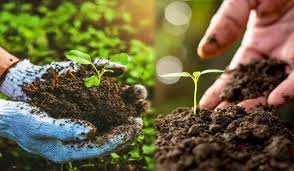
Healthy soil is the foundation of organic farming. Organic farmers focus on building and maintaining soil fertility naturally. They use compost and manure to add nutrients.
Cover crops, which are plants grown not for harvest but to benefit the soil, are also common. These crops can add nitrogen, prevent erosion, and improve soil structure. By keeping the soil alive and healthy, organic farms can grow nutritious crops more sustainably.
Good soil also holds water better, which is important for drought resistance.
Pest and Weed Control Naturally
Instead of chemical sprays, organic farmers use nature’s own methods. They encourage beneficial insects like ladybugs and lacewings that eat pests. Crop rotation helps break pest life cycles.
Planting certain companion plants can also repel pests. For weed control, they might use mulching, hand-pulling, or tilling. Sometimes, they use natural pesticides derived from plants or minerals.
These methods are generally less harmful to other living things and the environment.
Benefits of Organic Practices
- Environmental Protection Organic farming helps protect the environment by reducing pollution from pesticides and fertilizers. It conserves water and soil. It also supports biodiversity by creating habitats for wildlife.
- Improved Soil Quality The focus on organic matter builds richer, more fertile soil. This soil is better at storing carbon and resisting erosion.
- Reduced Chemical Exposure Consumers and farm workers have less exposure to synthetic chemicals, which can be harmful.
- Animal Welfare Organic standards often include better living conditions for farm animals.
These benefits create a positive cycle. Healthier soil leads to healthier plants, which can mean more nutrient-dense food. Reduced chemical runoff also means cleaner water.
The support for diverse plant and animal life on the farm makes it a more resilient system. Many consumers choose organic because they feel it is better for their health and the planet’s health.
Exploring Conventional Farming
Conventional farming, also known as industrial agriculture, is the most common type of farming today. It focuses on maximizing yield and efficiency, often using modern technology and synthetic inputs. This approach has been very successful in producing large amounts of food to feed a growing global population.
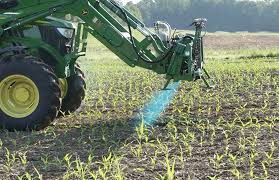
Conventional farmers often use synthetic fertilizers to provide plants with nutrients quickly. They also rely on pesticides and herbicides to control pests and weeds, ensuring crops are protected and harvests are abundant.
Key Practices in Conventional Agriculture
Conventional farming often involves large-scale monoculture, meaning vast fields planted with a single crop. This makes planting, cultivating, and harvesting more efficient with machinery. Synthetic fertilizers, like nitrogen and phosphorus, are applied to ensure plants get the nutrients they need for rapid growth.
Chemical pesticides are used to kill insects that damage crops, and herbicides are used to eliminate competing weeds. This allows farmers to grow more food on less land.
Synthetic Fertilizers and Their Role
Synthetic fertilizers are chemically manufactured and provide plants with essential nutrients in readily available forms. Nitrogen, phosphorus, and potassium are common components. These fertilizers can quickly correct nutrient deficiencies in the soil and boost crop growth, leading to higher yields.
However, overuse can lead to environmental problems. Excess nutrients can leach into waterways, causing pollution and harming aquatic life. They can also degrade soil structure over time if not managed carefully.
Pesticide and Herbicide Use
Pesticides are used to kill insects, fungicides to control diseases, and herbicides to kill weeds. These chemicals are designed to protect crops from damage and loss, ensuring a consistent supply of food. They can be highly effective and allow for efficient large-scale farming.
However, concerns exist about their potential impact on human health, wildlife, and beneficial insects. Residues can remain on food, and widespread use can lead to resistance in pests and weeds.
Impacts of Conventional Farming
- High Yields Conventional methods are excellent at producing large quantities of food, helping to meet global demand.
- Cost Efficiency In many cases, conventional farming can be more cost-effective in the short term due to the efficiency of inputs and technology.
- Environmental Concerns Potential issues include soil degradation, water pollution from chemical runoff, and reduced biodiversity.
- Reliance on Inputs This system often depends heavily on external inputs like fertilizers and pesticides.
The efficiency of conventional farming has played a vital role in food security worldwide. However, the long-term environmental consequences are a significant consideration. Managing soil health and water quality requires careful attention to balance the benefits of high yields with ecological sustainability.
The economic models of conventional farming often rely on these high-volume, low-cost production methods.
Organic Farming vs Conventional Farming A Direct Comparison
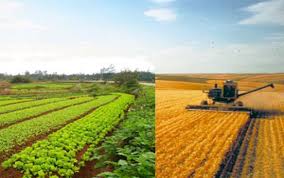
When looking at organic farming vs conventional farming, the main differences lie in their philosophy and methods. Organic farming aims to work with natural systems, promoting biodiversity and soil health through natural means. It avoids synthetic inputs like pesticides and fertilizers.
Conventional farming, on the other hand, often uses synthetic inputs to maximize crop yields and efficiency. It focuses on controlling pests and weeds with chemicals and providing nutrients through manufactured fertilizers. These different approaches lead to distinct outcomes for the environment, the food produced, and the farming process itself.
Environmental Differences
The environmental footprints of organic and conventional farming are quite different. Organic farming practices tend to be gentler on the planet. By avoiding synthetic pesticides and fertilizers, it reduces the risk of water pollution and harm to beneficial insects and wildlife.
It also promotes soil health, which can lead to better carbon sequestration and water retention. Conventional farming, with its reliance on chemical inputs, can pose risks to water quality if runoff occurs. Large-scale monocultures in conventional systems can also reduce biodiversity.
Water and Soil Quality
Organic farming actively works to improve soil health. Methods like composting and cover cropping build organic matter, which enhances soil structure, water-holding capacity, and nutrient cycling. This leads to less soil erosion and better drought resilience.
Conventional farming can sometimes lead to soil degradation if synthetic fertilizers and intensive tillage are used without proper management. The runoff of synthetic fertilizers and pesticides from conventional fields is a significant cause of water pollution, impacting rivers, lakes, and coastal ecosystems.
Biodiversity and Wildlife
Organic farms often support a richer diversity of plant and animal life. The absence of broad-spectrum pesticides means more beneficial insects, birds, and other wildlife can thrive. This creates a more balanced ecosystem on the farm.
Conventional farms, especially those with extensive monocultures and heavy pesticide use, may have less biodiversity. This can make them more vulnerable to pest outbreaks, as natural predators are often absent.
Nutritional and Health Aspects
The debate about the nutritional differences between organic and conventional food is ongoing. Some studies suggest that organic produce may have higher levels of certain antioxidants and nutrients. This is often attributed to healthier soils and the absence of synthetic inputs, which can influence plant metabolism.
Concerns about pesticide residues are also a key factor for consumers choosing organic. Conventional produce may contain trace amounts of pesticide residues, although these are typically within government safety limits.
Nutrient Content
Research indicates that organic crops may contain higher levels of antioxidants, like flavonoids, and certain vitamins and minerals compared to conventionally grown crops. This difference is thought to be linked to the soil’s organic matter content and the plant’s natural defense mechanisms, which are stimulated in organic systems. Some studies also suggest lower levels of heavy metals in organic foods.
However, nutritional content can vary greatly based on many factors, including soil type, climate, and crop variety.
Pesticide Residue Concerns
One of the primary drivers for consumers choosing organic is to reduce their exposure to pesticide residues. Organic standards prohibit the use of synthetic pesticides, meaning organic foods generally have significantly lower or no detectable levels of these chemicals. While conventional foods are regulated and tested for pesticide residues, some people prefer to avoid them altogether.
This choice is often based on a desire for cleaner food and potential long-term health considerations.
Economic Considerations
When comparing organic farming vs conventional farming, economics play a crucial role. Organic farming often involves higher labor costs and potentially lower yields, which can lead to higher prices for consumers. However, organic products often command a premium in the market.
Conventional farming benefits from economies of scale and often lower input costs due to widespread availability and subsidies. The long-term economic sustainability of both models is influenced by market demand, government policies, and the true cost of environmental impact.
Market Prices and Premiums
Organic foods typically sell at a higher price than their conventional counterparts. This price difference, often called a premium, reflects the additional costs associated with organic production. These include higher labor expenses, certification fees, and sometimes lower yields.
Consumers are often willing to pay more for organic products due to perceived health benefits, environmental concerns, and a desire for food produced without synthetic chemicals. This premium helps to make organic farming economically viable for farmers.
Government Support and Subsidies
Government policies and subsidies can significantly influence the economic landscape of both farming types. Historically, conventional agriculture has often received substantial subsidies, which can help keep production costs lower. In some regions, there is increasing support for organic and sustainable farming practices through grants and programs designed to encourage ecological stewardship.
The availability of such support can make a big difference in a farmer’s decision to adopt organic methods.
Efficiency and Scale
Conventional farming is often associated with large-scale operations designed for maximum efficiency. Mechanization and the use of synthetic inputs allow for high productivity on vast areas. Organic farming can also be scaled up, but it may require different approaches, such as diversified crop rotations and integrated pest management.
While organic yields can sometimes be lower than conventional yields, particularly during the transition period, many organic systems become highly efficient and resilient over time.
Common Myths Debunked
Myth 1: Organic Food Is Always More Nutritious
While some studies suggest organic food may have higher levels of certain nutrients, it’s not a guaranteed outcome. Nutritional content depends on many factors, including soil quality, climate, and the specific crop variety, regardless of whether it’s grown organically or conventionally. The difference is often subtle and not always consistent across all foods and studies.
Myth 2: Conventional Farming Is Always Bad for the Environment
Conventional farming practices have evolved. Many conventional farmers are adopting more sustainable methods, such as reduced tillage, precision agriculture to minimize fertilizer use, and integrated pest management. While widespread chemical use can pose environmental risks, responsible conventional farming can also be resource-efficient.
The focus is increasingly on minimizing negative impacts.
Myth 3: Organic Farming Is Not Scalable for Global Needs
Organic farming can be scaled up. While it might require different strategies than conventional industrial agriculture, successful large-scale organic operations exist worldwide. The focus on soil health and biodiversity can create resilient systems that are well-suited to varying environmental conditions.
Meeting global food demand requires a mix of approaches, and organic methods are part of that solution.
Myth 4: Organic Food Is Always More Expensive Because It’s “Better”
The higher price of organic food is primarily due to production costs, certification fees, and market demand. It reflects the labor-intensive nature of some organic practices and the premium consumers are willing to pay. While many associate organic with better quality, the cost is more a reflection of the farming process and market dynamics than an inherent “better” quality in all aspects.
Frequently Asked Questions
Question: What is the main goal of organic farming?
Answer: The main goal of organic farming is to grow food in a way that is healthy for the soil, the environment, and people, without using synthetic chemicals.
Question: Can conventional farmers use some organic methods?
Answer: Yes, many conventional farmers are adopting practices like cover cropping and reduced tillage, which are also used in organic farming, to improve soil health and sustainability.
Question: Is organic food free from pesticides?
Answer: Organic food is grown without synthetic pesticides. However, trace amounts of pesticides from neighboring conventional farms or the environment can sometimes be present, though generally at very low levels.
Question: Does organic farming use GMOs?
Answer: No, organic farming standards strictly prohibit the use of genetically modified organisms (GMOs) in seeds or animal feed.
Question: Which type of farming is better for biodiversity?
Answer: Organic farming generally supports greater biodiversity because it avoids synthetic pesticides and herbicides that can harm beneficial insects, birds, and other wildlife, creating a more balanced ecosystem.
Summary
Choosing between organic farming and conventional farming means understanding their different approaches. Organic farming prioritizes natural processes and avoids synthetic chemicals for a healthier ecosystem and food. Conventional farming uses modern tools and inputs to maximize yields and efficiency.
Both methods have impacts on the environment, our health, and the economy. By knowing these differences, you can make more informed decisions about the food you eat and support farming practices that align with your values.