Finding good information about organic farming can feel a bit overwhelming sometimes, especially when you’re just starting out. There’s a lot to learn, and not all the sources are super simple to follow. But don’t worry!
This guide is here to make reading and learning from organic farming articles feel like a breeze. We’ll break everything down step by step so you can get the knowledge you need without the confusion. Get ready to discover some helpful tips and clear explanations.
Key Takeaways
- You will learn what to look for in reliable organic farming articles.
- Understand the basics of organic farming principles.
- Discover how to identify common organic farming practices.
- Learn about the benefits of organic farming for the environment and consumers.
- Find out where to find trustworthy organic farming articles and resources.
What Are Organic Farming Articles
Organic farming articles are written pieces that explore and explain the principles, practices, and benefits of farming without synthetic pesticides, herbicides, genetically modified organisms, or synthetic fertilizers. These articles serve as valuable resources for farmers, consumers, researchers, and policymakers interested in sustainable agriculture. They cover a wide range of topics, from soil health management and pest control methods to certification processes and market trends for organic produce.
The goal is to educate and inform readers about a way of farming that aims to work in harmony with nature.
These articles can be found in various forms, including scientific journals, agricultural magazines, online blogs, government publications, and university extension websites. Each type of source often targets a slightly different audience and level of detail. For instance, academic papers might offer deep scientific research, while blog posts might provide practical tips for home gardeners.
Understanding where to find them and how to assess their credibility is key to gaining accurate knowledge about organic agriculture.
Defining Organic Farming Principles
At its core, organic farming is guided by several key principles that differentiate it from conventional agriculture. These principles focus on ecological balance, resource conservation, and the well-being of people and the environment. The International Federation of Organic Agriculture Movements (IFOAM) outlines four main principles: Health, Ecology, Fairness, and Care.
These principles are not just abstract ideas but form the foundation for all organic farming practices worldwide.
The Health principle emphasizes that organic agriculture should sustain and enhance the health of soil, plants, animals, humans, and the planet. This means farming in a way that promotes vibrant ecosystems and healthy food. The Ecology principle highlights that organic farming should be based on living ecological systems and cycles.
It works with nature, rather than against it, to maintain biodiversity and natural resource levels. This includes methods that enhance soil fertility naturally and support beneficial insects.
The Fairness principle states that organic farming should build the land in a way that is fair to all living things. This covers social justice, animal welfare, and the equitable distribution of resources and opportunities. Farmers should be good stewards of the land and treat all stakeholders fairly.
The Care principle suggests that organic farming should be managed in a precautionary and responsible way to protect the health and well-being of current and future generations and the environment.
Common Organic Farming Practices Explained
Organic farming involves a variety of practices designed to maintain soil fertility, control pests and diseases naturally, and promote biodiversity. Instead of synthetic chemicals, organic farmers use methods that work with the natural environment. These methods have been developed over many years, drawing on traditional knowledge and modern ecological science.
They aim to create a sustainable system that is good for the land and the food produced.
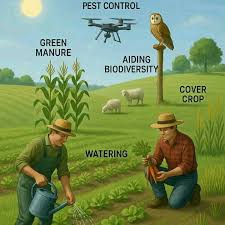
One of the most important practices is building healthy soil. Organic farmers use compost, animal manure, and cover crops to add nutrients and organic matter to the soil. Cover crops are plants grown not for harvest but to improve the soil.
They can prevent erosion, add nitrogen, and suppress weeds. This focus on soil health leads to stronger, more resilient plants that are better able to withstand pests and diseases naturally.
Another key practice is biological pest control. This involves using natural predators, beneficial insects, and other biological agents to manage pests instead of chemical sprays. For example, ladybugs are often encouraged to eat aphids, a common garden pest.
Crop rotation, where different crops are planted in the same field each year, is also vital. This practice helps break pest and disease cycles and improves soil structure.
- Composting: Turning organic waste like kitchen scraps and yard trimmings into nutrient-rich soil amendment. This process recycles materials and provides essential food for soil microbes.
- Crop Rotation: Planting a sequence of different crops on the same plot of land over several seasons. This helps prevent the buildup of soil-borne diseases and pests and improves soil fertility by using different nutrient needs.
- Cover Cropping: Planting non-cash crops to improve soil health, such as adding nitrogen, preventing erosion, and suppressing weeds. These crops are often tilled back into the soil.
- Natural Pest Control: Using beneficial insects, biological agents, or natural sprays derived from plants to manage insect pests and diseases. This avoids harmful chemicals that can harm beneficial organisms and the environment.
- Green Manure: Similar to cover cropping, but the crops are specifically grown to be plowed into the soil while still green to add organic matter and nutrients.
The Role of Certification and Standards
Organic farming articles often discuss the importance of organic certification. This is a process that verifies that farms and food products meet strict standards for organic production. In many countries, a government-approved agency must inspect and certify that farms follow organic regulations.
This certification provides consumers with confidence that the products they buy are genuinely organic.
These standards cover everything from how crops are grown and livestock are raised to how food is processed and handled. For example, organic crop standards prohibit the use of synthetic pesticides and fertilizers. Organic livestock standards require animals to have access to the outdoors and be fed organic feed, without the routine use of antibiotics or growth hormones.
The certification process ensures that these rules are followed.
There are different organic certification programs around the world, each with its own specific requirements. However, they generally share the common goal of protecting consumer health and the environment. When you see an organic label, it means the product has gone through a rigorous inspection to ensure it meets these standards.
This system helps build trust between consumers and organic producers.
Benefits Highlighted in Organic Farming Articles
Organic farming articles frequently detail the numerous advantages of this agricultural method. These benefits extend to the environment, human health, and even economic opportunities. By choosing organic, we support a system that aims to be more sustainable and beneficial for the planet and its inhabitants.
The focus is on long-term well-being rather than short-term gains.
One of the most significant benefits is improved environmental health. Organic farming practices promote soil health by increasing organic matter content, which enhances water retention and reduces soil erosion. This also leads to greater biodiversity, as organic farms tend to support a wider variety of plant and animal life, including beneficial insects and pollinators.
Furthermore, avoiding synthetic chemicals reduces water pollution from agricultural runoff.
From a health perspective, organic food is often seen as a healthier choice. It is free from synthetic pesticides, which can have potential health risks. Studies have shown lower levels of pesticide residues on organic produce.
Additionally, some research suggests that organic foods may have higher levels of certain nutrients and antioxidants compared to conventionally grown foods, although this is an area of ongoing scientific discussion and research.
Environmental Advantages
The environmental benefits discussed in organic farming articles are substantial. Organic farming is designed to work with nature, not against it. This approach helps protect our planet’s precious resources for future generations.
By focusing on natural processes, organic farms contribute to a healthier ecosystem overall.
One major advantage is improved soil quality. Organic methods like composting and cover cropping build up organic matter in the soil. This makes the soil richer, healthier, and better able to hold water.
Healthy soil also reduces the need for irrigation and prevents soil erosion, keeping valuable topsoil in place. This is crucial for long-term agricultural productivity.
Biodiversity is another key environmental plus. Organic farms often create habitats that support a wide range of wildlife, from beneficial insects that help control pests to birds and small mammals. This increased biodiversity makes the farm ecosystem more resilient and balanced.
It means fewer interventions are needed to keep the farm healthy. Reduced use of synthetic pesticides and fertilizers also means cleaner water and air.
- Reduced Chemical Use: Organic farming prohibits synthetic pesticides and fertilizers. This means less pollution of soil, water, and air, protecting ecosystems and wildlife.
- Improved Soil Health: Practices like composting and cover cropping build rich, fertile soil. This enhances water retention, reduces erosion, and supports a vibrant soil microbial community.
- Increased Biodiversity: Organic farms often support a greater variety of plant and animal species. This includes beneficial insects, birds, and other wildlife, contributing to a more balanced ecosystem.
- Water Conservation: Healthier soil absorbs and retains water more effectively. This can reduce the need for irrigation, conserving precious water resources.
- Climate Change Mitigation: Healthy soils can store more carbon, helping to reduce greenhouse gas emissions. Organic farming also relies less on energy-intensive synthetic fertilizer production.
Health and Nutritional Considerations
When you read organic farming articles, you’ll often find discussions about how organic food can be good for your health. A primary reason for this is the absence of synthetic pesticides. Conventional farming often uses these chemicals to protect crops, but they can remain on or in the food we eat.
Organic farming avoids these artificial sprays, meaning the food produced is less likely to have these residues.
Beyond pesticide avoidance, some research suggests that organic foods might contain higher levels of certain beneficial nutrients and antioxidants. For example, studies have indicated that organic fruits and vegetables might have more flavonoids and vitamin C. These compounds are known for their health-promoting properties, such as fighting inflammation and protecting cells from damage.
While more research is always ongoing, this is a promising aspect of choosing organic.
The overall goal of organic farming is to produce food in a way that is respectful of natural cycles and promotes well-being. This holistic approach means that the food is not only free from harmful chemicals but may also offer a richer nutritional profile. This contributes to a healthier diet and supports the broader goal of well-being for both people and the planet.
Economic and Social Impacts
Organic farming articles also touch upon the economic and social aspects of this farming method. While initial setup costs or transition periods can sometimes be challenging, organic farming can offer significant long-term economic benefits for farmers. The premium price that organic products often command in the market can lead to increased profitability, provided there is adequate market access and consumer demand.
Moreover, organic farming can foster stronger rural communities. It often supports smaller-scale farms and local food systems. This can lead to job creation within these communities and a more direct connection between food producers and consumers.
By emphasizing sustainable practices, organic farming also contributes to the long-term viability of agricultural land, ensuring that farming can continue to support communities for generations to come.
Socially, the growth of organic farming reflects a growing consumer awareness and desire for food that is produced ethically and sustainably. It encourages a more transparent food system where consumers can feel more connected to where their food comes from and how it is produced. This can lead to greater trust in the food supply and a broader appreciation for the efforts of farmers who prioritize environmental stewardship and public health.
Where to Find Trustworthy Organic Farming Articles
Finding reliable information is crucial when learning about any topic, and organic farming is no exception. Thankfully, there are many excellent places to find trustworthy organic farming articles. These sources often provide accurate, up-to-date information that is backed by research and expertise.
Knowing where to look will save you time and ensure you’re getting the best information available.
One of the best places to start is with university extension services. Many universities have agricultural departments that publish research-based guides, fact sheets, and articles on organic farming. These are often written in clear, easy-to-understand language and are designed to be practical for farmers and gardeners alike.
They are typically non-profit and focused on providing unbiased, scientific information.
Government agricultural agencies are also excellent sources. Organizations like the U.S. Department of Agriculture (USDA) provide information on organic standards, research, and resources.
Their websites often feature publications and data related to organic farming practices and policies. These sources are official and can provide a solid foundation for your learning. Look for sections dedicated to sustainable agriculture or organic production.
- University Extension Programs: Many universities offer online resources, fact sheets, and guides on organic farming practices. Search for the extension service of agricultural universities in your region or country.
- Government Agricultural Departments: National and regional agricultural organizations often have extensive libraries of information on organic farming, including regulations, research findings, and best practices.
- Organic Certification Bodies: Organizations that certify organic farms sometimes provide educational materials or links to reliable resources on their websites.
- Reputable Agricultural Publications: Look for established magazines and websites that focus on sustainable agriculture and organic farming. They often have expert writers and editors who ensure accuracy.
- Non-Profit Organizations: Many non-profit groups are dedicated to promoting sustainable and organic agriculture. They often publish reports, guides, and articles that are freely available.
Evaluating Sources for Credibility
When you come across organic farming articles, it’s important to know how to tell if the information is reliable. Not all sources are created equal, and some might present opinions as facts or be biased. Learning to evaluate the credibility of a source will help you gain accurate knowledge and avoid misinformation.
First, consider the author or organization behind the article. Are they experts in the field? Do they have a background in agriculture, science, or a related area?
Look for credentials, affiliations with reputable institutions like universities or government agencies, and a history of publishing accurate information. Be wary of anonymous authors or sources that seem to have a hidden agenda.
Next, check the date of publication. Agriculture is a dynamic field, and new research and practices emerge regularly. Older articles might still contain valuable information, but it’s important to see if the information is still current.
Also, look for supporting evidence. Do the articles cite their sources? Are there links to studies or data that you can verify?
A credible article will usually be transparent about where its information comes from.
Academic Research and Journals
Academic research and journals are treasure troves of in-depth information for those interested in organic farming. These publications feature studies conducted by scientists and researchers who rigorously test hypotheses and gather data. The articles in these journals go through a strict peer-review process, meaning other experts in the field check them for accuracy and validity before they are published.
This peer-review process is a key reason why academic journals are considered highly credible sources. It helps ensure that the information presented is scientifically sound and free from bias. Organic farming articles found here can offer detailed insights into specific practices, the effectiveness of certain organic methods, and the environmental impacts of organic systems.
They often use technical language, but the information is typically well-supported and provides a deep understanding of the subject.
Accessing these journals might sometimes require a subscription or a visit to a university library. However, many universities also make abstracts or summaries of these studies available online for free. Some research databases also offer access to full articles, making it easier to find and read the latest findings on organic agriculture.
These resources are invaluable for anyone seeking comprehensive and authoritative knowledge.
Navigating Organic Farming Challenges
Organic farming articles often don’t shy away from discussing the challenges that come with this type of agriculture. It’s not always easy, and farmers face unique hurdles. Understanding these challenges helps to appreciate the effort and knowledge required to farm organically.
It also highlights areas where further research and support are needed.
One of the primary challenges is pest and disease management. Without synthetic pesticides, organic farmers must rely on a combination of strategies. This includes using natural predators, beneficial insects, crop rotation, and disease-resistant varieties.
It requires a deep understanding of ecological principles and constant vigilance. Sometimes, outbreaks can be harder to control than in conventional systems, leading to crop losses.
Another significant challenge can be soil fertility management. While organic matter is key, building and maintaining it takes time and consistent effort. Farmers must carefully plan their use of compost, manure, and cover crops to ensure their soil remains productive year after year.
Transitioning from conventional farming to organic can also be a challenge, involving a period where the farm is not yet certified organic and may not receive premium prices for its produce.
Pest and Disease Management Strategies
Organic farming articles detail many innovative ways farmers tackle pests and diseases without chemical sprays. This requires a proactive approach, focusing on prevention and encouraging natural balances on the farm. It’s a sophisticated system that draws from ecological knowledge rather than quick chemical fixes.
Crop rotation is a cornerstone of this strategy. By planting different types of crops in a field sequentially, farmers can break the life cycles of many soil-borne diseases and pests that target specific plants. For instance, planting a legume like beans after a grain crop can help disrupt the life cycle of certain root-damaging pests.
This practice also helps improve soil nutrients.
Biological control is another vital tool. This involves using natural enemies to manage pest populations. Farmers might introduce beneficial insects like ladybugs to eat aphids or parasitic wasps that lay eggs inside pest larvae.
They also create habitats that attract these natural predators, such as planting flowering borders around fields. This integrated approach makes the farm more resilient and self-regulating.
- Crop Diversification: Planting a variety of crops in the same area or over time. This confuses pests that specialize in a single crop and prevents them from building up large populations.
- Beneficial Insects: Encouraging natural predators and parasites of crop pests. This can involve planting specific flowers or creating habitats that attract these helpful organisms to the farm.
- Companion Planting: Growing certain plants together that benefit each other. Some plants can repel pests, attract beneficial insects, or improve the growth of their neighbors.
- Disease-Resistant Varieties: Selecting crop varieties that have a natural ability to resist common diseases. This is a powerful preventative measure.
- Natural Sprays and Treatments: Using botanical extracts (from plants like neem or garlic) or mineral-based sprays as a last resort. These are generally less harmful than synthetic chemicals.
Soil Fertility and Nutrient Management
Maintaining and enhancing soil fertility is a central theme in organic farming articles. Healthy soil is the foundation of a thriving organic farm. It provides the nutrients plants need to grow strong and resist diseases.
Organic farmers focus on building soil structure and biological activity, rather than relying on synthetic fertilizers.
Composting is a key practice. Farmers take plant residues, animal manure, and other organic materials and break them down into a rich, dark material called compost. When this compost is added to the soil, it improves its structure, increases its ability to hold water, and feeds beneficial soil microbes.
These microbes are essential for making nutrients available to plants.
Cover crops play a crucial role in nutrient management. These are plants grown specifically to improve the soil. Some cover crops, like clover or vetch, are legumes that fix nitrogen from the air into the soil, acting as a natural fertilizer.
Others help prevent erosion, suppress weeds, or add organic matter when tilled back into the soil. This continuous cycle of building and enriching the soil is what makes organic farming sustainable.
Economic Viability and Market Access
The economic side of organic farming is a frequent topic in many articles. While the demand for organic products is growing, farmers can face challenges in making their operations profitable. The transition to organic certification itself can be a lengthy and costly process, often taking three years before crops can be sold as certified organic.
During this transition, farmers must adopt organic practices but cannot yet charge organic prices. This can create financial strain. Once certified, organic products often fetch higher prices.
However, market access is key. Farmers need reliable channels to sell their produce, whether through direct sales to consumers, farmers’ markets, or wholesale to retailers and distributors. Building these market connections is vital for success.
Some organic farming articles highlight innovative business models. This includes community-supported agriculture (CSA) programs, where consumers pay upfront for a share of the season’s harvest, providing farmers with capital. Others focus on value-added products, such as organic jams or cheeses, which can increase profit margins.
Government support and grants can also play a role in helping organic farms thrive economically.
Common Myths Debunked
Myth 1 Organic Food Is Always More Expensive
This is a common misconception. While sometimes organic food has a higher price tag, it’s not always the case. Prices depend on many factors, including supply, demand, seasonality, and the retailer.
Sometimes, direct purchasing from local organic farms can be more affordable than supermarket prices. Also, consider the long-term costs to health and the environment that conventional food may incur.
Myth 2 Organic Farming Is Not Productive Enough
Many studies show that organic farming can be just as productive as conventional farming, especially over the long term. While yields might be slightly lower during the initial transition period, well-managed organic systems often catch up. The focus on soil health in organic farming can lead to greater resilience against drought and disease, ensuring consistent yields.
Myth 3 Organic Food Has No Nutritional Value
This myth is untrue. As discussed earlier, organic foods are free from synthetic pesticides and fertilizers. Some research indicates organic produce may have higher levels of certain beneficial nutrients and antioxidants.
The focus on healthy soil in organic farming contributes to nutrient-dense crops. Organic food is nutritious food.
Myth 4 Organic Farming Is Only For Small Farms
While many small farms practice organic methods, large-scale organic operations are also becoming increasingly common. Many larger farms have successfully transitioned to organic certification, demonstrating that the principles can be applied effectively across various farm sizes. The market for organic products continues to grow, supporting larger operations.
Frequently Asked Questions
Question: What is the main difference between organic and conventional farming
Answer: The main difference is that organic farming avoids synthetic pesticides, herbicides, genetically modified organisms, and synthetic fertilizers. Conventional farming often uses these synthetic inputs.
Question: Can organic farming help the environment
Answer: Yes, organic farming helps the environment by improving soil health, increasing biodiversity, conserving water, and reducing pollution from synthetic chemicals.
Question: Is organic food safer to eat
Answer: Organic food is generally considered safer because it is grown without synthetic pesticides, which can have potential health risks. It also avoids GMOs.
Question: How long does it take to become certified organic
Answer: It typically takes three years for a farm to transition to organic and become certified. During this period, the farm must follow organic practices but cannot yet sell its products as certified organic.
Question: Where can I find reliable information on organic farming
Answer: You can find reliable information from university extension programs, government agricultural agencies, reputable agricultural publications, and non-profit organizations dedicated to sustainable agriculture.
Final Thoughts
Reading organic farming articles can give you a clear picture of this important way of growing food. You’ve learned about the core principles, the practical methods farmers use, and the many benefits for our planet and health. It’s about farming in harmony with nature.
Now you know where to find good information and how to understand it. You can confidently explore more about this beneficial approach to agriculture.