Thinking about going organic? That’s great! Getting your farm certified as organic can seem like a big step.
Lots of new farmers wonder if it’s too hard to get organic farming certification. Don’t worry! It’s actually simpler than you might think when you break it down.
We’ll walk through it all, step by step, so you know exactly what to do.
Key Takeaways
- Understand the basic requirements for organic farming certification.
- Learn how to choose the right certifying agency.
- Discover the key documents needed for your application.
- Know what to expect during an on-site inspection.
- Understand how to maintain your certification status.
What Is Organic Farming Certification
Understanding Organic Farming Certification Requirements
Getting your farm officially recognized as organic involves meeting certain standards. These rules are set to ensure that farming practices protect the environment and don’t use harmful chemicals. For anyone new to this, these rules might seem a bit much at first glance.
But they are there to help you grow healthier food and build trust with your customers.
The main goal is to farm in a way that works with nature. This means no synthetic pesticides, no GMOs, and careful attention to soil health. It also includes how you handle your animals if you raise livestock.
The certification process confirms you are following these practices consistently.
Defining Organic Practices
Organic farming practices focus on ecological balance and resource conservation. This approach aims to protect biodiversity and natural resources, like water and soil. Instead of relying on synthetic inputs, organic farmers use methods that mimic natural processes.
For instance, instead of synthetic fertilizers, farmers use compost and manure to feed the soil. They manage pests by encouraging natural predators and using organic-approved pest control methods. Crop rotation is also a key practice to maintain soil fertility and reduce pest buildup.
These methods ensure that the food produced is free from chemical residues.
The Role of Accredited Certifiers
Accredited certifiers are organizations that have been approved by a government body, like the USDA in the United States, to verify organic claims. They are the ones who check if farms are truly following organic standards. When you see an organic seal on a product, it means an accredited certifier has checked that farm.
These certifiers are neutral third parties. They have no stake in whether you sell your products. Their job is simply to make sure you meet all the rules for organic production.
Choosing the right certifier is an important early step. Different certifiers might have slightly different fees or timelines, but they all work under the same national or international organic standards.
Benefits of Organic Farming Certification
Achieving organic certification offers many advantages. It opens up premium markets where consumers are willing to pay more for certified organic products. This can lead to increased profitability for your farm.
It also builds strong trust with consumers who actively seek out organic options.
Beyond financial gains, certification means you are contributing to a healthier planet. Organic methods improve soil health, reduce water pollution, and support biodiversity. This can lead to a more sustainable and resilient farm over the long term.
It also sets you apart from non-organic producers.
- Enhanced Market Access Certified organic products can access specialty markets and gain consumer trust.
- Premium Pricing Consumers often pay more for products they know are grown organically.
- Environmental Stewardship Organic practices contribute to healthier soil, water, and ecosystems.
- Improved Farm Resilience Building healthy soil and biodiversity can make farms more resistant to pests and climate changes.
- Consumer Trust and Transparency The certification provides a clear guarantee of organic practices.
Consumer trust is a major driver for organic sales. Studies have shown that a significant portion of consumers are willing to pay a premium for certified organic goods. This willingness stems from concerns about health, environmental impact, and animal welfare.
The organic seal acts as a trusted symbol, assuring them that their purchases align with their values.
Steps to Obtaining Organic Farming Certification
The path to getting certified involves several key steps. It requires careful planning and documentation. But by following a clear process, you can successfully achieve your organic certification goals.
Step 1 Choose Your Certifying Agency
The first practical step is to select a certifying agency. In the U.S., these agencies must be accredited by the USDA. You can find a list of accredited certifiers on the USDA National Organic Program website.
Consider factors like the certifier’s experience in your type of farming, their fees, and their reputation.
Each certifier will have its own application process and requirements. It’s a good idea to contact a few different agencies to compare their services. Make sure they cover your specific crops or livestock.
Some certifiers specialize in certain areas, so finding the right fit is important for a smooth experience.
Factors to Consider When Choosing a Certifier
- Cost of certification and annual fees.
- Experience with your specific type of farm (crops, livestock, processing).
- Location and travel costs for inspectors.
- Reputation and customer service of the agency.
- Turnaround time for certification.
The cost can vary widely. Some certifiers charge based on farm size or revenue, while others have a flat fee. You also need to think about the inspector’s travel.
If a certifier is located very far away, their travel expenses might be passed on to you. It’s wise to get detailed quotes from your top choices.
Step 2 Develop Your Organic System Plan OSP
This is a critical document. Your Organic System Plan (OSP) is a detailed description of your farm’s operations. It explains how you will comply with organic standards.
This includes everything from how you manage soil fertility and pest control to how you store and handle your products. You will need to describe your inputs, your equipment, and your record-keeping system.
The OSP acts as a roadmap for your farm. It shows the certifier that you have a solid plan to produce organically. You will need to be very specific.
For example, if you use manure, you need to state its source and how it’s composted. If you use a pest control product, you must confirm it’s on the National List of Allowed and Prohibited Substances.
Components of an Organic System Plan
- Farm History Detailed history of land use, especially regarding prohibited substances like synthetic pesticides or fertilizers.
- Management Practices How you manage soil fertility, pest and weed control, and crop rotation.
- Seed and Planting Stock Source of seeds and planting material, ensuring they are organic or untreated.
- Inputs and Materials List of all inputs used, including fertilizers, pest control products, and any other materials, with proof of their organic status.
- Harvesting and Handling Procedures for harvesting, cleaning, storing, and packaging organic products to prevent contamination.
- Record-Keeping System How you will document all activities, inputs, and sales.
The history of your land is very important. For land that has been used for conventional farming, there is typically a three-year transition period. During this time, no prohibited substances can be applied.
Your OSP must detail this history and confirm that the land has been free from such substances for at least three years prior to your first organic harvest.
For record-keeping, think about every step. This includes what you planted, when you planted it, what inputs you used, and when you harvested. For livestock operations, records should include feed sources, veterinary treatments, and animal living conditions.
Detailed records are essential for demonstrating compliance.
Step 3 Submit Your Application and OSP
Once your OSP is complete, you submit it along with your application form and fee to your chosen certifier. The certifier will review your OSP to ensure it meets all the organic standards. They will look for any gaps or areas that need clarification.
This review is a crucial part of the process before an inspector visits your farm.
Be prepared to answer questions and provide additional information if requested. The certifier wants to be sure your plan is sound and practical for your farm. This review helps to identify potential issues early on, saving you time and effort later.
The review process might involve back-and-forth communication. The certifier might ask for more details about a specific practice or require you to adjust parts of your OSP. For example, they might question the source of a particular soil amendment or ask for more information on your pest monitoring strategy.
Your prompt and clear responses are vital here.
Step 4 On-Site Inspection
After your OSP is approved, the next step is an on-site inspection. An inspector from your certifying agency will visit your farm. They will walk through your fields, barns, and storage areas.
They will verify that your actual practices match what you described in your OSP. The inspector will talk with you about your operations and ask questions.
This is your chance to show them your farm in action. Bring all your records with you. They will check things like your pest control logs, your soil amendment records, and your planting records.
They might also ask to see your seed orders and product labels. The inspector’s job is to confirm everything looks good on paper and in practice.
What an Inspector Looks For
- Field Observations Checking for evidence of prohibited substances, proper buffer zones, and weed management.
- Record Verification Reviewing your farm logs, purchase records, and sales records.
- Facility Check Inspecting storage areas, processing equipment, and packaging to prevent commingling or contamination.
- Animal Welfare (if applicable) Observing living conditions, feed, and health management for livestock.
- Worker Interviews Speaking with farm workers to understand their knowledge of organic practices.
The inspector will take notes and photos. They will then write a report detailing their findings. This report is sent to the certifier.
The certifier reviews the report to make a final decision on your certification. It’s important to be honest and thorough during the inspection. If the inspector finds anything that seems non-compliant, they will discuss it with you.
Sometimes, minor issues might be found. The certifier will usually give you a chance to correct these before making a final decision. This might involve updating a record or making a small change to a practice.
The goal is always to bring the farm into full compliance with the standards.
Step 5 Certification Decision and Maintenance
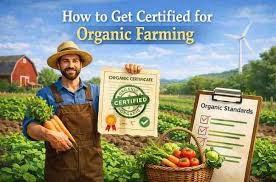
If the certifier determines that your farm complies with all organic standards, they will issue your organic certificate. This means you can now legally label and sell your products as certified organic. Congratulations!
This is a significant achievement.
However, certification is not a one-time event. You must maintain your organic status each year. This involves ongoing record-keeping and annual inspections.
You will need to submit an updated OSP each year and undergo an annual on-site inspection. This ensures you continue to follow organic practices.
The annual review process is similar to the initial one. Your OSP might need updates based on any changes in your operations. The inspector will verify that you have maintained compliance throughout the year.
Staying vigilant with your records and practices is key to keeping your certification active.
Maintaining Your Organic Certification
Keeping your organic certification requires ongoing commitment. It’s not something you can set and forget. Regular attention to detail is important to ensure you continue to meet the standards.
Annual Updates and Inspections
Each year, you will need to renew your certification. This typically involves submitting an updated Organic System Plan (OSP) and paying an annual fee. The updated OSP reflects any changes to your farm operations over the past year, such as new crops planted, different pest management strategies, or expanded facilities.
An annual on-site inspection is also mandatory. A certifier will visit your farm to verify that your current practices align with your updated OSP and the organic standards. This inspection is usually less intensive than the initial one, but it’s just as important.
It confirms that your commitment to organic farming remains consistent.
Record Keeping is Crucial
Diligent record-keeping is the backbone of maintaining organic certification. You must keep detailed records of all your farming activities. This includes the source of all seeds and inputs, dates of application for fertilizers and pest controls, harvest dates, and sales records.
These records serve as proof of your compliance. They allow you to track the flow of organic products from the field to the consumer. The certifier will review these records during annual inspections.
Accurate and complete records also help you manage your farm more effectively and identify areas for improvement.
Examples of Essential Records
- Input Records Receipts and details for all seeds, fertilizers, soil amendments, and pest control products used.
- Field Activity Logs Dates and descriptions of planting, cultivation, pest management, and harvest activities for each field.
- Livestock Records (if applicable) Details on feed sources, health treatments, and animal movement.
- Processing and Handling Records Information on cleaning, packaging, and storage of organic products.
- Sales Records Documentation of all sales of certified organic products, including buyer information and quantities.
If you are ever unsure about whether a record is important, it’s best to keep it. The more detailed your records, the easier it will be to demonstrate compliance during an inspection. Many farms use specialized software or digital tools to manage their records efficiently.
Compliance with National Organic Program NOP Standards
All certified organic operations must adhere to the National Organic Program (NOP) standards. These are the rules that define what organic means in terms of farming practices, allowed substances, and prohibited practices. Staying up-to-date with any changes or updates to the NOP standards is vital.
Your certifier will provide guidance on the NOP standards. However, it is your responsibility as the farmer to understand and implement them. This includes understanding the National List of Allowed and Prohibited Substances, which specifies which synthetic substances can be used in organic production and under what conditions.
For example, the NOP rules are very specific about GMOs. Genetically modified organisms are strictly prohibited in certified organic production. This means you cannot plant GMO seeds, and your animals cannot be fed GMO feed.
If there’s any doubt about a product’s GMO status, you should avoid using it.
Dealing with Non-Compliance Issues
Despite best efforts, mistakes can happen, and non-compliance issues may arise. If a problem is identified, it’s important to address it immediately. Your certifier will work with you to develop a plan to correct the issue and bring your operation back into compliance.
Depending on the severity of the non-compliance, your certification might be temporarily suspended or even revoked. However, many issues can be resolved with prompt action and a commitment to following the standards. Open communication with your certifier is key when issues arise.
For instance, if a prohibited substance is accidentally applied to an organic field, you must report it to your certifier immediately. They will assess the situation and determine if the affected crop can still be sold as organic or if it needs to be sold as conventional. They might also require a longer transition period for that field.
Common Myths Debunked
Myth 1 Organic Farming Certification Is Too Expensive for Small Farms
This is a common concern, but often untrue. While there are fees associated with certification, many programs and government grants are available to help offset these costs for small and beginning farmers. The increased market access and potential for premium pricing often make the investment worthwhile.
Many farmers find that the market demand for organic products justifies the expense.
Myth 2 Organic Certification Means Food Is Healthier
Organic certification primarily focuses on the farming practices used and the absence of synthetic pesticides and fertilizers. While this often leads to food with fewer chemical residues, it doesn’t automatically guarantee that organic food is more nutritious than conventional food. Nutrient content can vary greatly based on soil quality, variety, and ripeness, regardless of farming method.
The main benefit is the environmental and health protection from avoiding synthetic chemicals.
Myth 3 It Takes Years To Transition To Organic
While there is a mandatory three-year transition period for land to be certified organic, this does not mean you can’t start implementing organic practices immediately. Many farmers begin using organic methods and selling at farmers’ markets or directly to consumers as “transitional” during this time. The three-year rule is to ensure prohibited substances are no longer present in the soil.
Myth 4 Only Large Corporations Can Afford To Be Certified Organic
This is not true. Organic farming certification is accessible to farmers of all sizes. Many certifying agencies offer tiered pricing based on farm size or revenue.
Furthermore, farmer cooperatives and regional organic organizations often provide support and resources to help smaller farms achieve and maintain certification. The market for local, certified organic produce is strong, making it a viable option for smaller operations.
Frequently Asked Questions
Question: What is the main difference between “organic” and “naturally grown”
Answer: “Organic” is a legally defined and regulated term that requires certification by an accredited agency according to specific standards. “Naturally grown” is a less defined term and does not necessarily mean the produce meets strict organic standards.
Question: How long does it take to get certified organic
Answer: The process can vary, but it typically takes between 12 to 18 months from the initial application to receiving certification. This includes the time for reviewing your Organic System Plan and conducting the on-site inspection.
Question: Can I sell my products as organic while I am in the transition period
Answer: You cannot sell products as “certified organic” during the transition period. However, some programs allow you to market products as “transitional organic” under specific rules, and you must clearly communicate this status to consumers.
Question: What happens if I accidentally use a prohibited substance
Answer: You must report the incident to your certifier immediately. Depending on the substance, quantity, and location, your certifier will determine if the crop can still be sold as organic or if it needs to be downgraded to conventional.
Question: How often do I need to be inspected
Answer: Certified organic operations require an annual on-site inspection to maintain their certification status. Some operations may be subject to unannounced inspections as well.
Summary
Achieving organic farming certification is a process that builds trust and market opportunities. By carefully developing your Organic System Plan, choosing the right certifier, and maintaining detailed records, you can successfully meet the standards. This certification confirms your commitment to sustainable practices and healthy food production.