Some people find learning about the organic farming definition a bit tricky at first. It seems like there’s a lot to remember. But don’t worry!
We will break it down super simply, step by step. You’ll see how easy it is to get a clear picture. Let’s get started and figure out what it all means.
Key Takeaways
- Organic farming focuses on natural methods to grow food.
- It avoids synthetic chemicals like pesticides and fertilizers.
- The goal is to improve soil health and protect the environment.
- Organic farming practices support biodiversity and animal welfare.
- Understanding the definition helps consumers make informed choices.
Understanding Organic Farming Definition
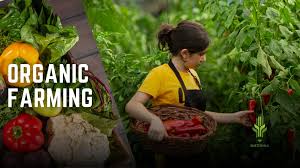
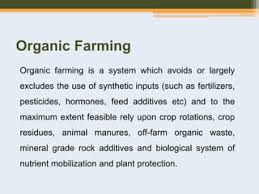
What is the organic farming definition? At its heart, organic farming is a system that aims to produce food using natural processes and materials. It’s about working with nature, not against it.
This means avoiding things that can harm the environment or our health. Farmers who practice organic farming look for ways to keep their farms healthy and sustainable for a long time. They think about the soil, the plants, the animals, and the air.
It’s a whole-system approach to growing food.
This method is popular because many people want to eat food that is grown in a way that is better for them and the planet. They are looking for products that don’t have strong chemicals. The organic farming definition is important for farmers too.
It gives them a clear set of guidelines to follow. These guidelines help ensure that their products meet certain standards that consumers trust. It helps build confidence in the food supply.
What Organic Farming Is Not
It is important to know what makes farming truly organic. It’s not just about avoiding one or two things. It’s a comprehensive approach.
For example, it does not allow the use of genetically modified organisms (GMOs). These are plants whose DNA has been changed in a lab. The organic farming definition also strictly prohibits the use of synthetic pesticides.
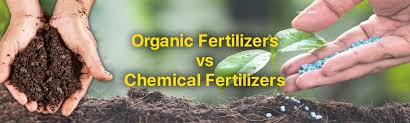
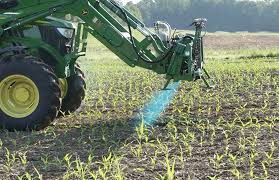
These are bug sprays and weed killers made in factories. It also means no synthetic fertilizers. These are plant foods made from chemicals that can wash away into water.
Another key aspect is the ban on artificial growth hormones. These are used in some conventional farming to make animals grow faster or produce more. Irradiation, a process that uses radiation to kill bacteria and extend shelf life, is also not allowed in organic production.
The whole point is to let nature do most of the work, with farmers guiding the process using natural tools and knowledge. This careful exclusion of synthetic inputs is central to the organic farming definition.
Natural Principles at Play
Organic farming relies heavily on natural principles. One of the most important is building healthy soil. Healthy soil is like a pantry for plants, full of nutrients and beneficial microbes.
Organic farmers use compost, animal manure, and cover crops to feed the soil. Cover crops are plants grown not to be harvested but to protect and enrich the soil when other crops are not growing. These natural materials help improve soil structure, allowing water to drain well and air to get to plant roots.
Crop rotation is another key practice. This means planting different types of crops in the same field each year. This helps prevent soil depletion and reduces pest problems.
Certain pests prefer specific plants. By rotating crops, farmers break the life cycles of these pests. It also helps balance nutrients in the soil, as different plants use different nutrients.
Biodiversity is also encouraged. This means having a variety of plants and animals on the farm. This helps create a more balanced ecosystem where natural predators can control pests.
Benefits of Organic Farming Practices
The benefits of organic farming are far-reaching. For the environment, it means cleaner water and air. Because synthetic pesticides and fertilizers are not used, these harmful chemicals don’t end up in rivers, lakes, or groundwater.
This protects aquatic life and provides cleaner drinking water. It also reduces greenhouse gas emissions associated with the production of synthetic fertilizers. Healthy soil also acts like a sponge, absorbing more carbon dioxide from the atmosphere.
For consumers, organic food is often seen as healthier. While research is ongoing, many people prefer to avoid pesticide residues on their food. Organic farming also supports animal welfare.
Organic standards often require that animals have access to the outdoors, are fed organic feed, and are not given routine antibiotics or growth hormones. This leads to better living conditions for farm animals. The focus on biodiversity also creates more habitats for wildlife, contributing to a healthier ecosystem overall.
Environmental Protection
One of the biggest advantages of organic farming is its positive impact on the environment. By avoiding synthetic pesticides, organic farms help protect beneficial insects, birds, and other wildlife. These creatures play vital roles in the ecosystem, such as pollinating crops and controlling pests naturally.
The reduction in chemical runoff also means that local water sources are less likely to be contaminated with harmful pollutants. This is good for both wildlife and humans.
Healthy soil, a cornerstone of organic farming, is another major environmental benefit. Organic practices, like adding compost and using cover crops, build up organic matter in the soil. This improves soil structure, making it more resistant to erosion from wind and rain.
Well-structured soil also absorbs and retains water better, reducing the need for irrigation and making farms more resilient to drought. This focus on soil health is crucial for long-term sustainable agriculture.
Health and Nutrition
Many people choose organic food because they believe it is healthier. While the nutritional differences between organic and conventionally grown food can vary, one clear benefit is the absence of synthetic pesticide residues. These chemicals are sometimes found on conventionally grown produce.
By choosing organic, consumers can reduce their exposure to these residues. The organic farming definition ensures that products meet strict standards for chemical use.
Furthermore, some studies suggest that organic foods may have higher levels of certain nutrients, like antioxidants. However, this can depend on many factors, including the specific crop, soil conditions, and climate. The primary health benefit for many consumers remains the peace of mind that comes from eating food grown without synthetic pesticides and fertilizers.
It aligns with a desire for more natural and less processed food choices.
Biodiversity Support
Organic farms often act as havens for biodiversity. By avoiding broad-spectrum synthetic pesticides, farmers create a safer environment for a wide range of insects, birds, and other animals. This includes beneficial insects like ladybugs and bees, which help control pests and pollinate crops, respectively.
A diverse range of plants, including flowering plants and hedgerows, can also be incorporated into organic farm designs to provide food and shelter for wildlife.
This increase in biodiversity contributes to a more balanced and resilient ecosystem. It can reduce the farm’s reliance on external inputs and create a more self-sustaining system. For example, a healthy population of predatory insects can help keep pest populations in check naturally, reducing the need for any intervention.
This interconnectedness is a key outcome of adhering to the organic farming definition.
Key Practices in Organic Farming
The organic farming definition is brought to life through specific practices. These are methods that farmers use every day to grow crops and raise animals. They are designed to be good for the land, good for the animals, and good for us.
These practices are not just random acts; they are part of a system that aims for long-term sustainability. They require knowledge, observation, and a deep respect for natural processes. Let’s look at some of the most important ones.
These practices work together to create a healthy farm. For instance, composting enriches the soil, which in turn helps plants grow stronger. Stronger plants are often better at resisting pests and diseases, reducing the need for any treatments.
Crop rotation helps prevent soil from being depleted of certain nutrients and can disrupt pest cycles. All these actions contribute to a farm that is more self-sufficient and less reliant on external, often synthetic, inputs.
Soil Management and Fertility
Building and maintaining healthy soil is the absolute foundation of organic farming. Organic farmers treat soil as a living ecosystem. They use methods that increase organic matter, which improves soil structure, water retention, and nutrient availability.
Compost, made from decomposed plant and animal materials, is a primary tool. It adds vital nutrients and beneficial microorganisms to the soil.
Animal manure, when properly composted, is another valuable source of nutrients. Cover crops are planted not for harvest but to protect the soil from erosion, suppress weeds, and add organic matter when tilled back into the soil. These practices prevent soil degradation and ensure that the land remains productive for generations.
A living soil supports healthy plant growth and is more resilient to environmental stresses like drought.
Pest and Disease Control
Organic pest and disease control focuses on prevention and using natural methods. Instead of synthetic pesticides, organic farmers use a variety of strategies. This includes using beneficial insects, such as ladybugs that eat aphids, and other natural predators.
Crop rotation helps break pest cycles. Planting companion plants, which can deter pests or attract beneficial insects, is also common. For example, planting marigolds near vegetables can deter nematodes in the soil.
When pests or diseases become a problem, organic farmers may use approved natural pesticides derived from plants, minerals, or bacteria. These are used sparingly and only when necessary. Disease management also includes choosing disease-resistant crop varieties and maintaining plant health through good nutrition and proper spacing.
The aim is to create a balanced ecosystem where pests and diseases are kept in check naturally, rather than relying on chemical interventions.
Weed Management
Weeds compete with crops for water, nutrients, and sunlight. In organic farming, managing weeds is done without synthetic herbicides. One effective method is mulching.
This involves covering the soil around plants with materials like straw, wood chips, or compost. Mulch helps block sunlight, preventing weed seeds from germinating, and also helps retain soil moisture.
Other methods include tilling the soil at the right times to disrupt weed growth, especially before planting. Hand-weeding is also used, particularly for smaller gardens or high-value crops. Flame weeding, using a controlled burst of flame to kill young weeds, is another technique.
Cover cropping can also help suppress weeds by outcompeting them during fallow periods. These techniques require careful planning and consistent effort.
Animal Husbandry
For farms that raise animals, organic standards focus on animal welfare and health. Animals must be fed 100% organic feed, and routine use of antibiotics, growth hormones, and pesticides is prohibited. Organic regulations often require that animals have access to the outdoors, with allowances for pasture and shade.
This allows animals to engage in natural behaviors.
Preventative care is prioritized. This includes providing clean living conditions, good nutrition, and stress-free environments to keep animals healthy. When illness does occur, veterinary care is provided, but the use of antibiotics is restricted and requires a withdrawal period before the animal’s products can be sold as organic.
The goal is to raise healthy animals in conditions that respect their natural needs and behaviors.
Certification and Standards
To ensure that consumers can trust products labeled as organic, there is a system of certification. In many countries, government agencies oversee organic standards. These standards define what the organic farming definition means in practice and what practices are allowed or prohibited.
For a farm to be certified organic, it must undergo a rigorous inspection process.
This process verifies that the farm is following all the required organic practices. Inspectors check records, fields, and facilities. Farms must also have a transition period, typically three years, during which they must farm organically before their products can be sold as certified organic.
This ensures that no prohibited substances have been used for a significant time. This certification provides a guarantee to consumers.
The Role of Organic Certification Bodies
Organic certification bodies are organizations accredited by government authorities to inspect and certify farms and businesses. These bodies act as the enforcers of organic standards. They review farm plans, conduct on-site inspections, and monitor compliance.
Their role is to ensure that products sold as organic actually meet the strict requirements of the organic farming definition.
These bodies grant the right for a farm or company to use the official organic seal or logo on their products. This seal is a mark of trust for consumers. It signifies that the product has been produced and handled according to organic principles, from farm to table.
Without these bodies, it would be much harder for consumers to distinguish between truly organic products and those that are not.
What the Organic Label Means
When you see an organic label on a product, it means that it has been produced following specific, legally defined organic standards. For crops, this means they were grown without synthetic pesticides, herbicides, fertilizers, or GMOs. For livestock, it means they were raised without antibiotics or growth hormones, fed organic feed, and had access to the outdoors.
Processed organic foods must also meet certain criteria, such as not containing artificial preservatives, colors, or flavors.
The presence of an organic certification seal, like the USDA Organic seal in the United States or the EU organic logo in Europe, indicates that the product has been certified by an accredited third-party organization. This label provides assurance to consumers who are seeking food and products grown and produced in a way that aligns with their values for environmental sustainability, health, and animal welfare. It is a direct reflection of adhering to the organic farming definition.
Common Myths Debunked
Myth 1 Organic Food is Always More Expensive
While organic products can sometimes have a higher price tag, this is not always the case. The cost of organic farming can be higher due to labor-intensive practices and lower yields initially compared to some conventional methods. However, as more farms adopt organic practices and economies of scale improve, prices can become more competitive.
Sometimes, sales and promotions can make organic options more affordable. Also, the “true cost” of conventional food, which may not factor in environmental damage or long-term health impacts, is often higher.
Myth 2 Organic Farming Cannot Feed the World
This is a common misconception. While some organic farms may have lower yields per acre than the most intensive conventional farms, studies have shown that organic farming can achieve comparable yields, especially over the long term. Furthermore, organic methods improve soil health, making farms more resilient to climate change and reducing reliance on expensive synthetic inputs.
A focus on reducing food waste and promoting diverse, nutrient-dense diets also plays a significant role in food security.
Myth 3 Organic Means No Pesticides Are Ever Used
The organic farming definition does not mean “no pesticides.” It means no synthetic pesticides. Organic farmers are allowed to use certain naturally derived pesticides, such as those made from plant extracts or minerals, but only when absolutely necessary and approved by organic standards. The primary focus is on preventing pest problems through healthy soil, biodiversity, and other natural methods.
Myth 4 Organic Food is Always Healthier
While organic food offers the benefit of being free from synthetic pesticide residues and GMOs, the definition of “healthier” can be broad. Nutritional content can vary. Some studies suggest higher levels of certain beneficial compounds in organic produce, while others find little difference.
The main health advantage often cited is the avoidance of chemical residues, which appeals to many consumers concerned about long-term exposure to synthetic chemicals.
Frequently Asked Questions
Question: What is the primary goal of organic farming?
Answer: The primary goal of organic farming is to produce food in a way that is environmentally sustainable, promotes biodiversity, and maintains soil health without the use of synthetic chemicals.
Question: Can organic farms use any pesticides?
Answer: Organic farms can use approved naturally derived pesticides when necessary, but synthetic pesticides are prohibited. The emphasis is on preventative measures.
Question: Does organic farming contribute to climate change solutions?
Answer: Yes, organic farming practices like building healthy soil can help sequester carbon from the atmosphere, and it reduces greenhouse gas emissions associated with synthetic fertilizer production.
Question: What does the term “organic” mean for meat and dairy products?
Answer: For meat and dairy, organic means animals are raised without antibiotics or growth hormones, fed organic feed, and have access to the outdoors.
Question: How can I be sure a product is truly organic?
Answer: Look for an official organic certification seal on the product’s packaging, such as the USDA Organic seal or the EU organic logo, which indicates it has been inspected and certified.
Final Thoughts
Understanding the organic farming definition is about embracing a system that works with nature. It prioritizes soil health, biodiversity, and the absence of synthetic chemicals. This approach leads to food that is often perceived as healthier and contributes to a more sustainable planet.
By choosing organic, you support farming methods that care for the environment for future generations.