Thinking about organic farming can feel a bit tricky at first. You hear about amazing benefits but also some challenges. It’s easy to get lost in all the details.
But don’t worry! This guide breaks down the organic farming pros and cons in a way that’s easy to follow. We’ll walk through everything step-by-step so you know exactly what to expect.
Get ready to learn the simple facts.
Key Takeaways
- Organic farming protects the environment by avoiding harmful chemicals.
- It can lead to healthier soil and better water quality.
- Farmers might see higher profits from premium organic products.
- Starting organic farming can require a big investment and take time to see results.
- Crop yields might be lower in the initial stages compared to conventional methods.
- Certification processes can be strict and demanding for farmers.
What Is Organic Farming
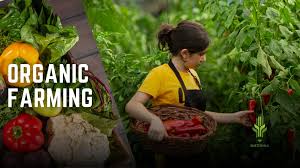
Organic farming is a way to grow food that focuses on working with nature. It’s about making sure the soil stays healthy for a long time. Farmers who choose this path avoid using synthetic pesticides, herbicides, and fertilizers.
They also don’t use genetically modified organisms (GMOs). The goal is to create a balanced farming system that supports biodiversity and natural processes. It’s a system that aims for sustainability, ensuring that the land can continue to produce food for future generations.
This approach is rooted in the idea that a healthy ecosystem leads to healthy food.
Core Principles of Organic Agriculture
At its heart, organic farming follows several key principles. Health is a big one, focusing on the well-being of soil, plants, animals, and people. Ecology is another, meaning practices should be based on living systems and cycles.
Fairness is also important, ensuring justice in dealings with land, environment, and communities. Finally, care is a guiding principle, meaning that farming should be managed responsibly to protect health and well-being of present and future generations and the environment.
- Health: Organic farming should sustain and enhance the health of soil, plants, animals, humans, and the planet. This principle acknowledges the interconnectedness of health. A thriving soil microbiome, for instance, contributes to healthier crops and, consequently, healthier food for consumers.
- Ecology: Organic farming systems are to be based on living ecological systems and cycles. They are to take inspiration from nature, mimicking natural processes to achieve crop production. This involves understanding how ecosystems function and working to maintain their balance and productivity.
- Fairness: Organic farming should be based on relationships that ensure fairness with regard to the environment and life opportunities. This means treating animals humanely, providing fair wages and conditions for farm workers, and engaging with communities in a responsible manner.
- Care: Organic farming requires responsible management and stewardship to protect the health and well-being of present and future generations and the environment. This principle emphasizes a proactive approach to environmental protection and resource conservation.
History and Evolution
The roots of organic farming stretch back to the early 20th century. Thinkers like Sir Albert Howard and J.I. Rodale began questioning the effects of industrialization on agriculture.
They saw the benefits of returning to natural methods, like composting and crop rotation, which had been practiced for centuries. Over time, concerns about chemical pesticides and their impact on health and the environment grew. This led to the development of organic standards and certifications in the latter half of the 20th century.
Today, organic farming is a global movement driven by consumer demand and a desire for more sustainable food systems.
The Advantages of Organic Farming
Choosing organic farming comes with many positive outcomes, both for the planet and for those who practice it. These benefits touch on environmental health, consumer well-being, and economic opportunities. By working in harmony with nature, organic methods build up the land rather than depleting it.
This creates a more resilient and sustainable food supply for everyone. It’s a system that looks at the bigger picture and aims for long-term success.
Environmental Protection and Soil Health
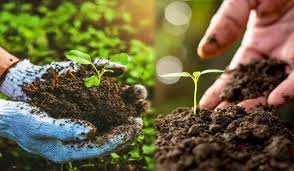
One of the biggest pluses of organic farming is its positive impact on the environment. Without synthetic fertilizers and pesticides, the soil becomes a much healthier place. Organic matter builds up, improving soil structure, water retention, and nutrient availability.
This also means fewer harmful chemicals end up in our waterways and ecosystems. Healthier soil can also absorb more carbon, helping to combat climate change. It’s a cycle where good practices lead to a healthier planet.
- Improved Soil Structure: Organic farming practices like cover cropping, composting, and reduced tillage help to increase the amount of organic matter in the soil. This organic matter acts like a sponge, improving the soil’s ability to hold water. It also makes the soil easier for plant roots to penetrate, leading to stronger, healthier plants.
- Reduced Water Pollution: By avoiding synthetic pesticides and fertilizers, organic farms prevent these chemicals from leaching into groundwater or running off into rivers and lakes. This protects aquatic life and ensures cleaner drinking water for communities. It’s a significant step in preserving our water resources.
- Enhanced Biodiversity: Organic farms tend to have a greater variety of plant and animal life. This is because they provide habitats and food sources for beneficial insects, birds, and other wildlife. A diverse ecosystem is more resilient and helps to naturally control pests, reducing the need for interventions.
Healthier Food and Consumer Benefits
Many people choose organic food because they believe it is healthier. While research continues, organic products generally have fewer pesticide residues. For consumers concerned about exposure to synthetic chemicals, organic options offer peace of mind.
Beyond fewer residues, some studies suggest organic produce may have higher levels of certain nutrients and antioxidants. It’s about getting good food that is grown with care for both people and the planet.
For example, a study published in the British Journal of Nutrition found that organic milk and meat products contained significantly higher levels of beneficial omega-3 fatty acids and certain antioxidants compared to conventional products. These are compounds linked to various health benefits. This difference is often attributed to the different diets of organic versus conventionally raised livestock.
Organic animals typically graze on more diverse pastures, which can influence the nutritional content of their products.
Economic Opportunities for Farmers
Organic farming can also present good economic prospects for farmers. Organic products often command higher prices in the market because consumers are willing to pay more for food grown without synthetic chemicals. This premium can help offset some of the increased costs associated with organic production, such as higher labor needs or lower initial yields.
As consumer demand for organic products continues to grow, farmers who transition to organic methods can tap into a expanding market segment.
Consider the case of a small family farm that struggled to compete on price with larger conventional operations. After transitioning to organic certification, they were able to market their produce directly to consumers through farmers’ markets and local co-ops. This allowed them to set prices that reflected the quality and growing practices of their farm.
They found that while their yields per acre might have been slightly lower initially, the higher prices and direct customer relationships led to increased overall profitability and a more sustainable business model.
The Challenges of Organic Farming
While organic farming offers many rewards, it’s not without its hurdles. Farmers often face unique challenges when converting to or maintaining organic practices. These can range from the initial transition period to dealing with pests and diseases without synthetic aids.
Understanding these difficulties is key to appreciating the commitment involved in organic agriculture.
Transition Period and Initial Costs
When a farm decides to go organic, there’s a transition period. For the first few years, a farmer must follow organic methods but cannot yet sell their products as certified organic. During this time, yields may drop as the soil adjusts, and the farmer has the costs of organic inputs without the premium price.
Additionally, setting up an organic system can require initial investments in new equipment or infrastructure, such as fencing for rotational grazing or specialized tools for managing weeds organically. These upfront costs and the temporary dip in revenue can be a significant barrier for many farmers.
Pest and Disease Management
Managing pests and diseases is a constant challenge in any type of farming. In organic systems, however, farmers cannot rely on synthetic chemical sprays. Instead, they must use a range of integrated pest management (IPM) strategies.
This includes using beneficial insects, crop rotation, companion planting, and organic-approved sprays derived from natural sources. These methods often require more knowledge, labor, and careful observation. Sometimes, despite best efforts, pest or disease outbreaks can be more difficult to control quickly and efficiently than with conventional chemicals, potentially leading to crop losses.
- Beneficial Insects: Organic farmers actively encourage populations of insects that prey on pests. This can involve planting specific flowers that attract ladybugs or lacewings. Releasing commercially raised beneficial insects is also an option, though it’s often a more costly and less sustainable solution than fostering a natural balance.
- Crop Rotation: By planting different crops in a field each year, farmers can disrupt the life cycles of soil-borne pests and diseases that are specific to certain plants. If a pest’s host crop isn’t available, its population is likely to decrease. This natural control method is a cornerstone of organic pest management.
- Organic-Approved Sprays: When outbreaks occur, organic farmers can use sprays derived from natural sources, like neem oil or insecticidal soaps. These are generally less toxic than synthetic pesticides but require careful application and may need to be reapplied more frequently. Their effectiveness can also vary depending on the specific pest and environmental conditions.
Lower Yields and Labor Intensity
In some cases, organic farming can result in lower crop yields compared to conventional methods, especially during the initial years of transition. This is often because the soil may take time to build up its fertility and structure to support high productivity. Additionally, organic farming is often more labor-intensive.
Tasks like mechanical weeding, manual pest removal, and the careful management of soil health require more hands-on work. This increased labor need can translate into higher operating costs for organic farmers.
For instance, in a study comparing organic and conventional wheat yields, it was observed that conventional systems often produced higher yields per acre. However, the organic systems demonstrated superior soil health indicators, such as higher organic matter content and improved water infiltration rates. While the immediate output might be less, the long-term productivity and environmental benefits of the organic land are often greater.
Certification and Market Access
Becoming certified organic is a rigorous process. Farmers must adhere to strict standards set by certifying bodies. This involves detailed record-keeping of all inputs and practices.
They also undergo regular inspections. The certification process itself can be costly and time-consuming. While certification can open doors to premium markets, failing to meet the standards or secure certification can limit a farmer’s ability to sell their products as organic, potentially reducing their market opportunities.
Comparing Organic vs Conventional Farming
When we look at organic farming versus conventional farming, the differences are quite significant. They often boil down to the methods used, the impact on the environment, and the types of products they yield. Understanding these distinctions helps in making informed choices about food and farming practices.
Impact on the Environment
Conventional farming often relies heavily on synthetic pesticides and fertilizers. While these can boost yields, they can also lead to soil degradation and water pollution over time. They can harm beneficial insects and reduce biodiversity on the farm.
Organic farming, on the other hand, aims to work with nature. It focuses on building healthy soil, conserving water, and promoting a rich variety of plant and animal life. This approach generally has a much gentler footprint on the environment.
Nutritional Content and Safety
The debate around the nutritional superiority of organic food is ongoing. As mentioned, some studies show higher levels of certain beneficial compounds in organic produce and animal products. More importantly for many consumers is the safety aspect.
Organic foods have significantly lower levels of pesticide residues compared to conventionally grown foods. This reduction in exposure to synthetic chemicals is a primary driver for many consumers choosing organic options for themselves and their families.
| Feature | Organic Farming | Conventional Farming |
|---|---|---|
| Pesticides | Natural and approved biological controls only | Synthetic pesticides allowed |
| Fertilizers | Manure, compost, cover crops | Synthetic fertilizers allowed |
| Soil Health | Focus on building organic matter and structure | Can degrade over time with heavy chemical use |
| Biodiversity | Generally higher due to habitat and lack of chemicals | Can be lower due to chemical use and monoculture |
| GMOs | Not permitted | Often permitted |
Cost and Accessibility
A common perception is that organic food is more expensive. This is often true due to the higher costs of organic production, including labor and certification. However, the accessibility of organic food is increasing as more farms and retailers offer these products.
For consumers, the choice often comes down to balancing cost with perceived benefits for health and the environment. Some farmers find that selling directly to consumers or through local markets can help offset higher production costs.
Common Myths Debunked
There are quite a few ideas about organic farming that aren’t quite right. Let’s clear up some of these common misunderstandings so you have the facts.
Myth 1: Organic Farming is Always More Expensive to Run
While organic certification and some organic inputs can be costly, it’s not always more expensive overall. Many organic practices, like building soil health through composting and cover crops, can reduce the need for expensive synthetic fertilizers over time. Also, reduced use of pesticides can save money on those inputs.
For some farmers, the reduced reliance on external inputs and the potential for premium pricing can make organic farming economically competitive, especially when considering long-term soil health and sustainability.
Myth 2: Organic Food Does Not Use Any Pesticides
This is not entirely true. Organic farming does not use synthetic pesticides. However, it does permit the use of certain natural pesticides derived from plants, animals, or minerals.
These are called naturally derived pesticides. The key difference is that these natural pesticides are generally considered to be less harmful and break down more quickly in the environment. Organic standards also emphasize prevention through healthy soil and diverse ecosystems, which naturally reduce pest problems.
Myth 3: Organic Farms Always Have Lower Yields Than Conventional Farms
While it’s true that yields can sometimes be lower in organic farming, especially during the transition phase, this is not always the case. With well-established organic systems, particularly those with healthy, fertile soil, yields can be comparable to conventional farming. Furthermore, organic farms often demonstrate greater yield stability over time, especially in the face of climate variability like droughts, because their soils are better at retaining water.
Frequently Asked Questions
Question: What is the biggest advantage of organic farming
Answer: The biggest advantage is often considered to be its positive impact on environmental health, including building healthier soil and protecting water quality.
Question: Are organic foods more nutritious than conventional foods
Answer: Some studies suggest organic foods may have higher levels of certain nutrients and antioxidants, but the differences are often small. The main benefit for many is reduced exposure to pesticide residues.
Question: How long does it take to become certified organic
Answer: The transition period to organic certification is typically three years. During this time, farmers must follow organic practices but cannot sell their products as certified organic.
Question: Can organic farming feed the world
Answer: This is a complex question. While organic farming is sustainable and beneficial, achieving global food security may require a combination of approaches, including improved efficiency in both organic and other sustainable farming methods.
Question: Is organic farming good for small farms
Answer: Yes, organic farming can be very good for small farms, as it often allows them to differentiate their products, build direct customer relationships, and potentially earn premium prices.
Final Thoughts
Organic farming offers many benefits for the environment and human health. It builds healthier soil and reduces chemical use. While challenges like transition costs and pest management exist, they are manageable with knowledge.
Exploring organic methods can lead to sustainable and rewarding agriculture. Start by learning what works best for your land and goals.